16 December 2025
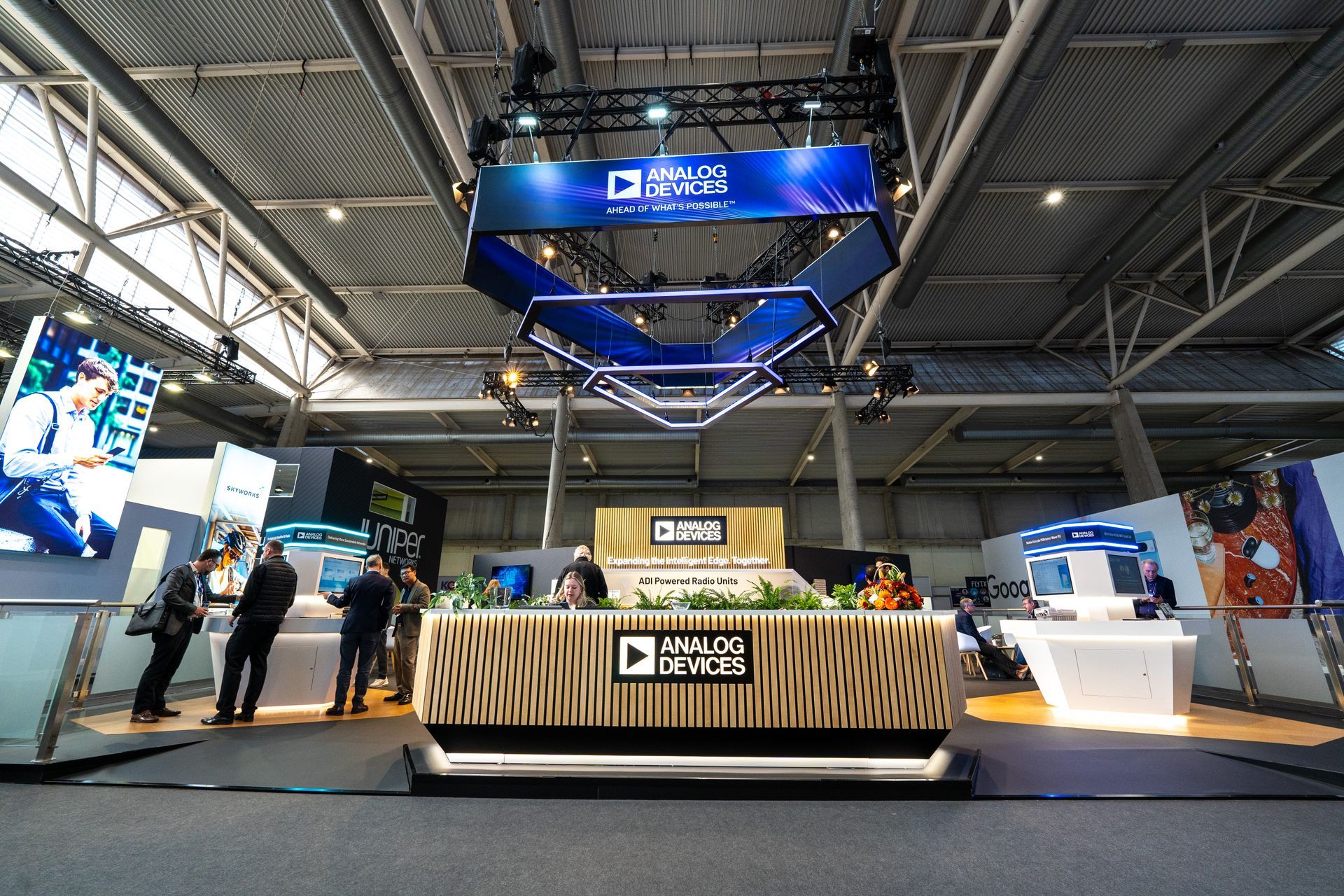
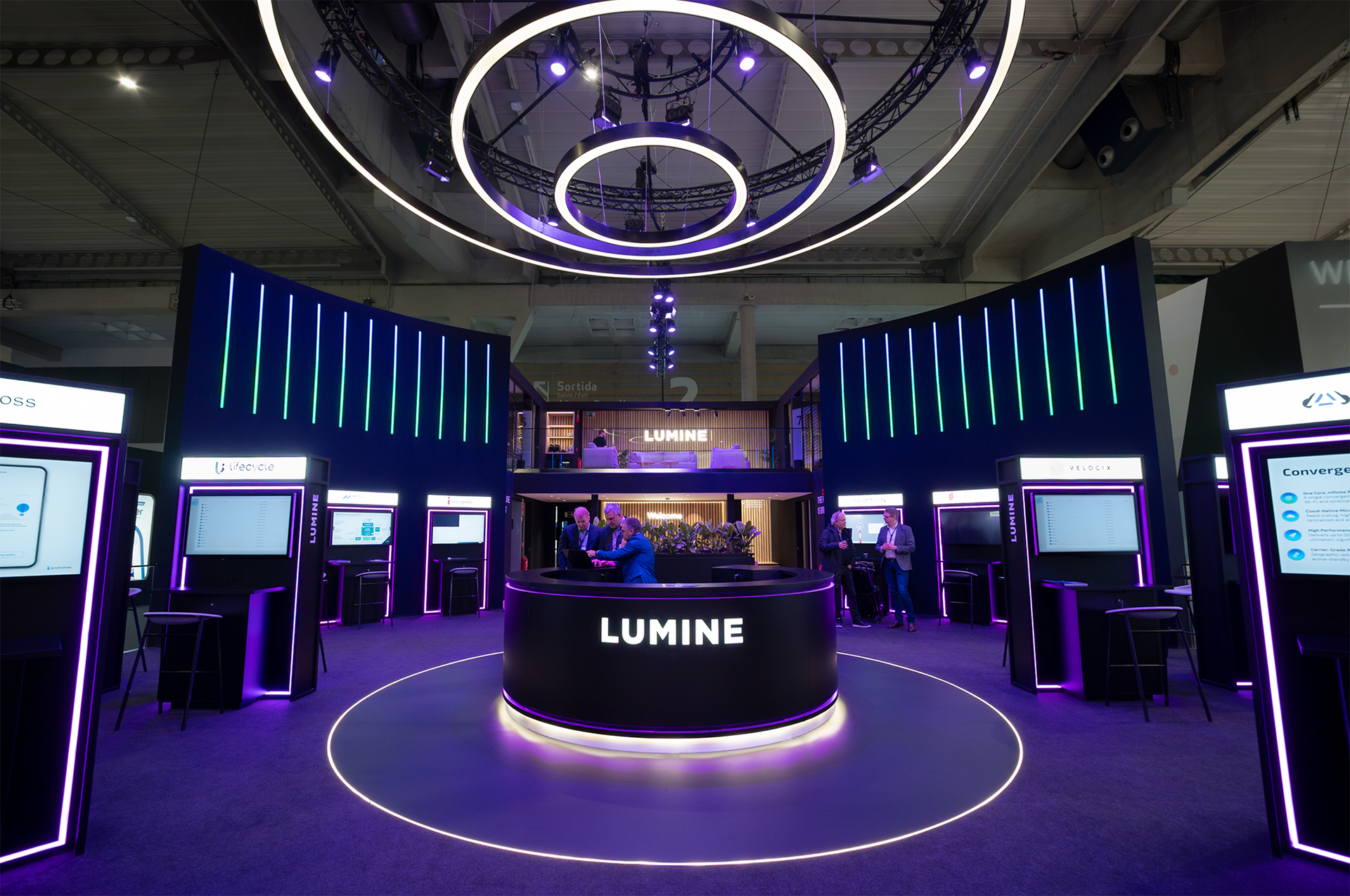
International Exhibition Services: Logistics, Customs & On-Site Ops Exhibiting internationally opens access to new markets, customers, and opportunities. But it also introduces layers of complexity that can overwhelm even experienced exhibition teams. From navigating customs regulations to coordinating logistics across borders to managing on-site operations in unfamiliar venues, international exhibition companies provide expertise that goes well beyond domestic shows. The Complexity of International Exhibition Logistics Moving an exhibition stand across international borders involves far more than simply shipping materials from point A to point B. The logistics of international exhibitions require understanding regulations, managing documentation, coordinating multiple transport modes, and timing everything to coincide with often inflexible venue schedules. Shipping methods vary based on stand size, timeline, and budget constraints. Road freight works well for shows within mainland Europe - materials can be loaded in London and delivered directly to venues in Barcelona, Munich, or Amsterdam within 48-72 hours. For shows involving sea or air freight, lead times extend to weeks, and packaging requirements become more stringent to protect materials during longer journeys and multiple handling points. Transportation regulations differ significantly across countries. Vehicle weight limits, driver hour restrictions, and access rules for exhibition venues all affect planning. A truck configuration that works perfectly for UK roads might exceed weight limits in Germany, requiring different vehicle allocation. Understanding these nuances prevents delays and additional costs. Timing coordination is critical. Major venues like the Fira Gran Via in Barcelona or the Messe Munich operate on strict schedules. Move-in periods might be only 36-48 hours, with specific time slots allocated to each exhibitor. Missing your window can mean delayed installation, additional costs for out-of-hours work, or in worst cases, an incomplete stand when the show opens. International exhibition services that understand these venue-specific requirements build buffers and contingencies into planning. Navigating Customs and Regulatory Requirements Customs clearance represents one of the most challenging aspects of international exhibitions. The documentation, procedures, and regulations vary by country and can be genuinely complex for temporary imports of exhibition materials. ATA Carnets simplify customs procedures for temporary exports to many countries. This international customs document allows materials to cross borders without paying duties or VAT, provided they return within the specified period. But Carnets require advance planning -applications take time, and the bond required can be substantial for high-value exhibition equipment. European exhibition stand design projects within the EU don't require Carnets, but shows in Switzerland, for example, do despite its proximity. Documentation requirements extend beyond the Carnet itself. Detailed inventories listing every item with descriptions, values, and countries of origin. Shipping manifests that match the physical goods exactly. Proof of temporary import status. Missing or incorrect documentation means delays at borders, while materials sit in customs clearance, and your installation schedule slips. Value declarations require careful consideration. Undervalue materials and you risk questions from customs authorities. Overvalue and you increase the bond required and potential duty liability if something goes wrong. Accurate valuations based on replacement cost provide the appropriate balance. Prohibited and restricted items vary by country. Materials containing certain chemicals might be acceptable in one country but restricted elsewhere. Electrical equipment may require specific certifications. Food and beverage products for hospitality areas have their own regulations. UK exhibition build companies with international exhibition experience understand these variations and plan accordingly. Working with International Exhibition Companies Choosing the right partners for international shows can determine whether your exhibition runs smoothly or becomes a stress-filled disaster. International exhibition companies offer varying levels of service, capability, and expertise. Local knowledge provides enormous value. An exhibition contractor who regularly works at specific venues understands the peculiarities of those spaces - where loading docks are, which local suppliers are reliable, how venue regulations are actually enforced versus what's written in the manual. This institutional knowledge prevents problems and accelerates installation. Network and relationships affect what's possible. Established international exhibition companies have supplier networks across multiple countries. Need a rush printing job in Barcelona? They know who to call. Equipment failure in Munich? They have local contacts for rapid replacement. These relationships, built over years, provide problem-solving capabilities that isolated contractors simply can't match. Scale and resources indicate capability for different project sizes. A company that excels at compact 100 square metre stands might struggle with a 1,000 square metre flagship presence requiring 36 LED walls, professional kitchens, and complex double-deck structures. Understanding a company's actual capacity—not just their claims—prevents mismatches between project requirements and delivery capability. On-Site Operations at International Venues Installation at international venues involves coordinating with local contractors, navigating venue regulations, and solving problems in real-time, often while managing time zone differences and language barriers. Venue regulations vary significantly. The ExCel Centre in London has different rules to the RAI in Amsterdam or the Messe Cologne. Electrical specifications, rigging points, noise restrictions, working hours, safety protocols - each venue has its own requirements. European exhibition stand design needs to account for these variations from the start, not discover them during installation. Inspection and approval processes are mandatory at all major venues. Electrical systems require certification by approved inspectors. Structural elements may need engineering approval. Fire safety features must meet local codes. International exhibition services include managing these inspections and approvals, ensuring everything passes first time without delaying your schedule. Problem-solving at distance tests even experienced teams. When you're coordinating a build in Barcelona from London, a two-hour time difference and the challenges of remote communication can complicate even simple decisions. This is where having experienced on-site project managers who can make decisions independently becomes invaluable. Case Study: Managing a Multi-Show European Programme Consider a technology company exhibiting at three major shows: MWC Barcelona, Electronica Munich, and Embedded World Nuremberg. Each show happens at a different time of year, each venue has distinct characteristics, and the company wants to project a consistent brand presence while adapting to each show's specific audience. The solution involved designing a flexible modular system that could be configured differently for each venue. Core branded elements (distinctive lighting features, LED video walls, hospitality spaces) remained consistent. Variable elements like product demonstration areas and graphics adapted to each show's focus and space configuration. Logistics were planned as an integrated programme rather than three separate projects. Materials moved from show to show, with storage between events at a central European location. This reduced transport costs, simplified customs procedures, and ensured components were maintained properly between uses. Local teams at each venue handled installation and show support, coordinated by a single project manager who understood the overall programme. This combination of local expertise and central coordination ensured consistency in execution while allowing for adaptation to each venue's specific requirements. The result was a reduction in total programme cost while improving consistency and quality of delivery. Just as importantly, the stress on the client's internal team decreased dramatically - instead of managing three complex international projects independently, they had a single point of contact overseeing the entire programme. Technology and International Operations Digital tools and modern communication technology have transformed international exhibition management, but they don't eliminate the need for human expertise and judgment. Project management systems allow real-time visibility into progress, even across borders and time zones. Cloud-based tools mean approvals can happen wherever team members are located. Digital renders and virtual walkthroughs let clients review and refine designs without physical mockups or site visits. Video communication enables far more effective remote coordination than was possible even a few years ago. Site surveys, progress checks, and issue resolution can happen via video call, saving time and travel costs while still providing visual confirmation. Real-time monitoring during shows provides peace of mind. Systems that track equipment status, environmental conditions, and visitor flow generate data that helps optimise performance and provide early warning of potential issues. But technology complements rather than replaces experienced people. When unexpected challenges arise - and they always do during international exhibitions - problem-solving requires judgment, relationships, and experience that no system can replicate. Building an International Exhibition Programme Success in international exhibitions comes from treating them as a strategic programme rather than a series of one-off projects. This means thinking about consistency, sustainability, and continuous improvement across multiple shows and countries. Centralised asset management ensures materials are tracked, maintained, and available when needed. Whether items are stored at a logistics provider's facility or moving between shows, knowing location, condition, and maintenance status of every component prevents last-minute scrambles and protects quality. Documentation and procedures capture institutional knowledge. What worked at last year's show? What problems emerged? Which suppliers were reliable? What venue-specific quirks need remembering? Recording this information ensures it's available when planning the next event, even if team members change. Relationships with trusted international exhibition services providers form the backbone of reliable delivery. These partnerships develop over time, as you learn each other's working styles, expectations, and standards. The right partners become extensions of your internal team, invested in your success and equipped to deliver it consistently. Making International Exhibitions Work International exhibitions offer tremendous opportunities for B2B brands to connect with customers, demonstrate products, and establish market presence in key regions. But success requires more than simply recreating your domestic stand in another country. It requires understanding the logistical complexities, navigating regulatory requirements, working with experienced international or European exhibition companies , and coordinating on-site operations across borders and languages. Get these elements right, and international shows become powerful tools for business growth. Get them wrong, and you've invested significant budget in a stressful experience that fails to deliver results. Whether you're planning your first international show or looking to improve an established programme, Evolve 's professional international exhibition services provide the expertise and capabilities to deliver success consistently across borders. Contact us to find out more.