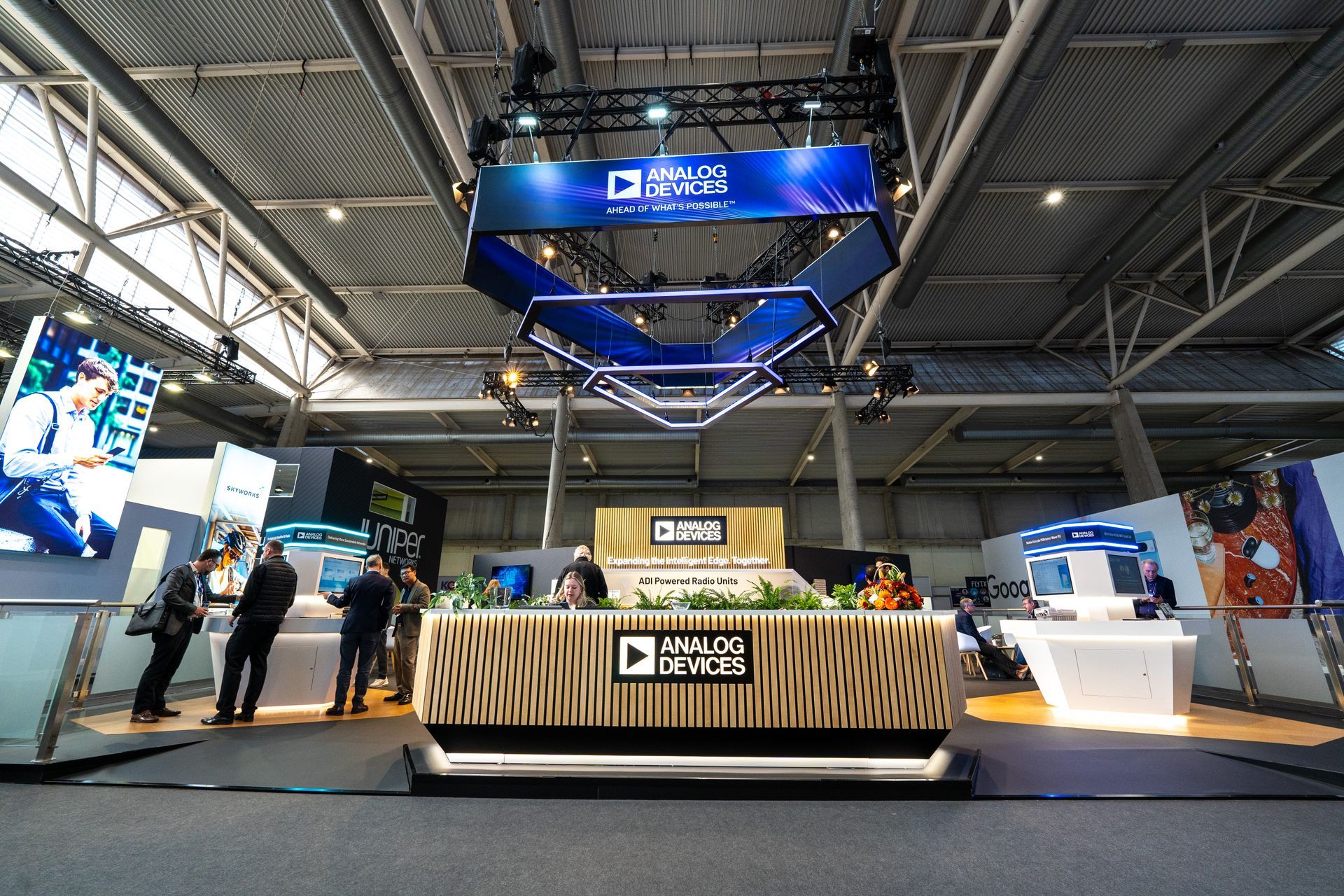
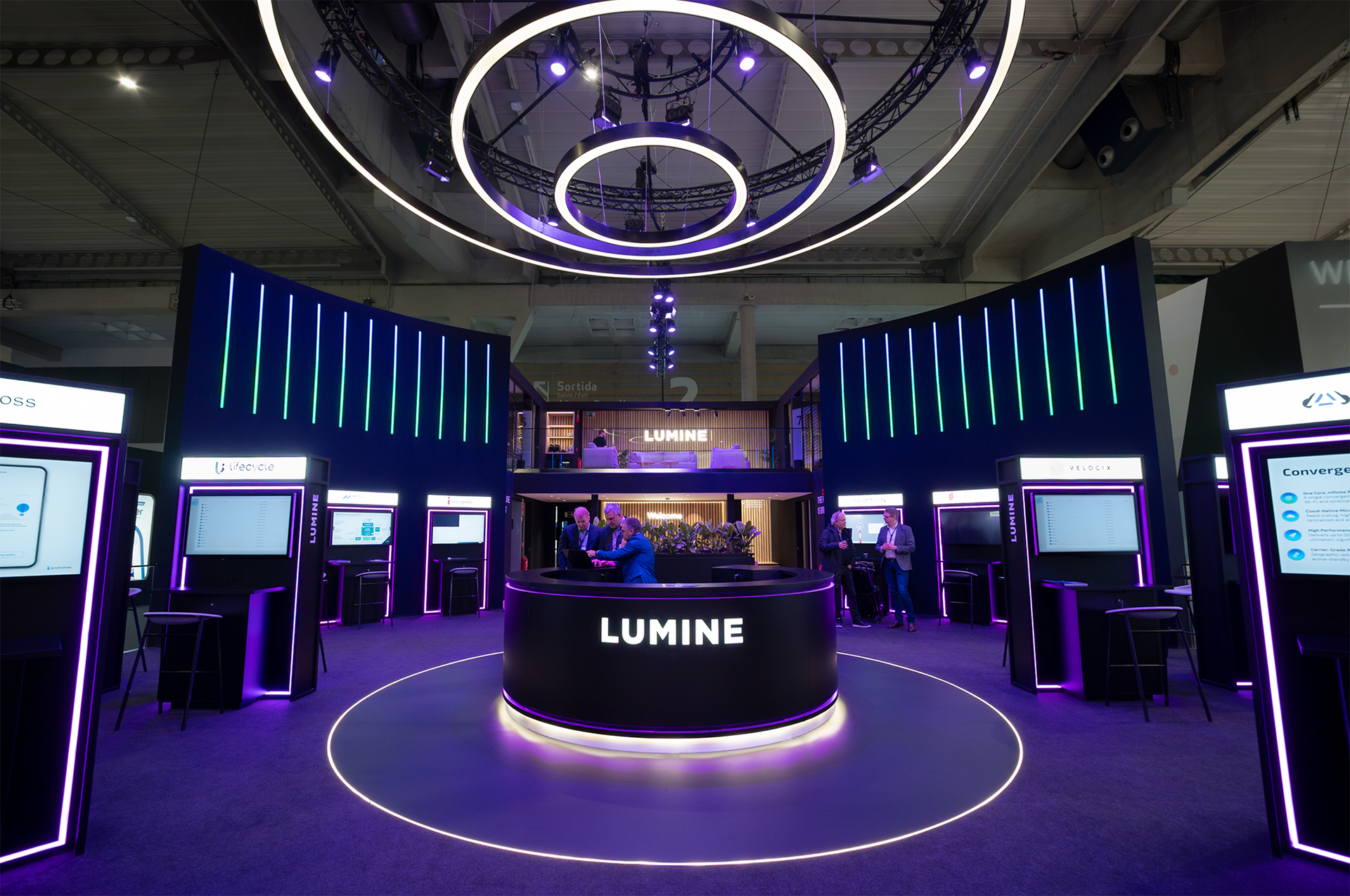
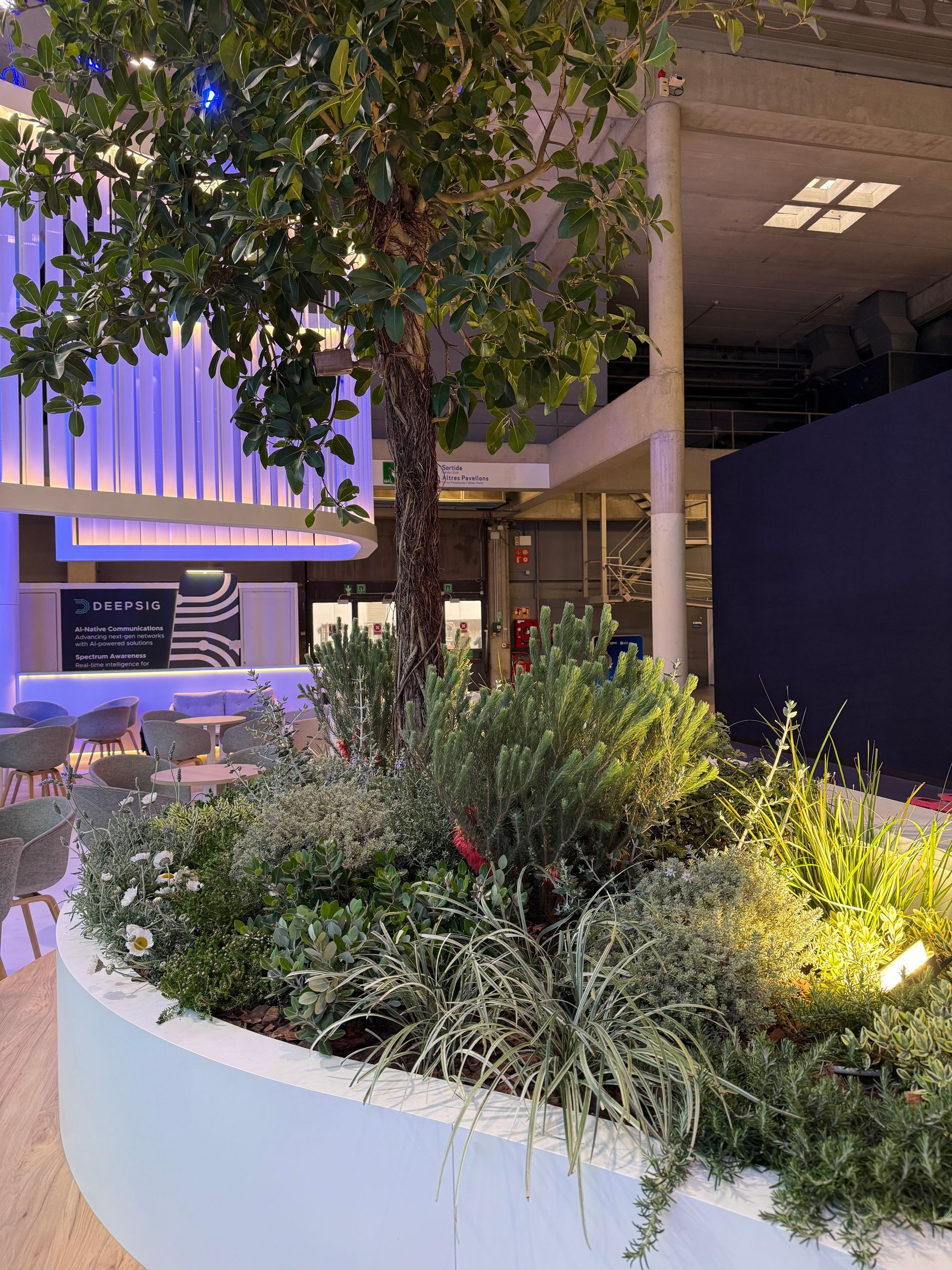
not just somewhere to stand, time to make people feel something
There's a version of exhibition stand design that treats the brief as a delivery exercise. The client provides the brand guidelines, the floor space, and the list of things they want to show. The agency produces renders, agrees a price, builds the stand, and packs it away afterwards.
It works, in a narrow sense. The stand exists. The logo is visible. The team has somewhere to stand and talk to people.
But if your goal is to make something that genuinely moves people, that makes visitors feel something about your brand, that gives them a story to tell when they get back to their colleagues, that turns a conversation at a trade show into a relationship, then delivery alone isn't enough. What you need is an immersive brand experience. And creating one is a fundamentally different kind of endeavour.
What Makes an Experience Truly Immersive?
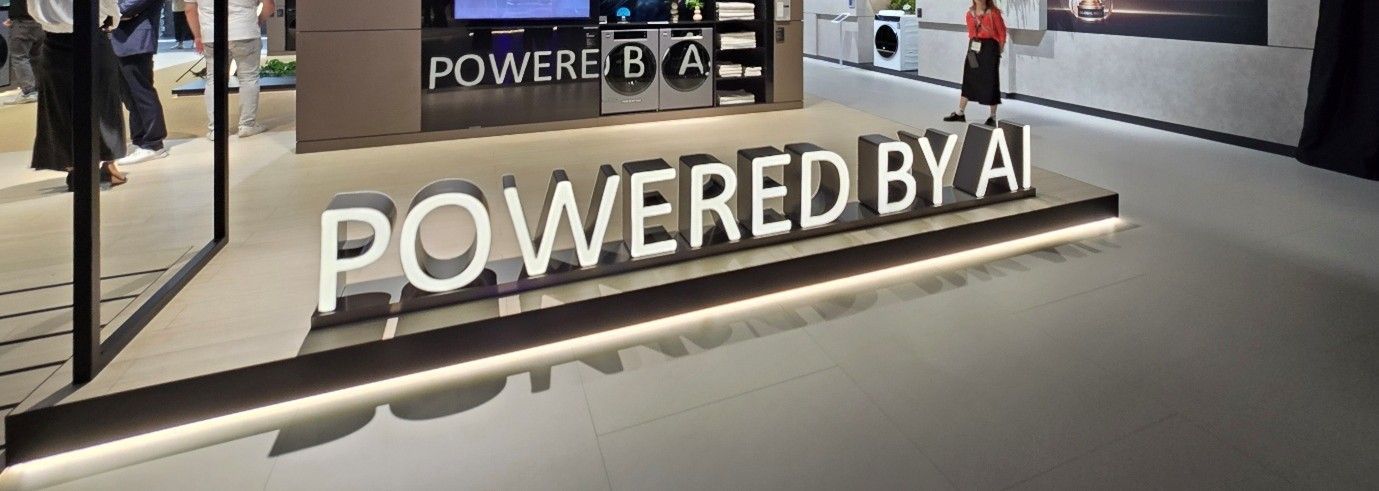
The word "immersive" gets used so loosely in the events industry that it has almost lost its meaning. LED screens are called immersive. A branded photo opportunity is called immersive. A stand with more square footage than usual is described as an immersive environment.
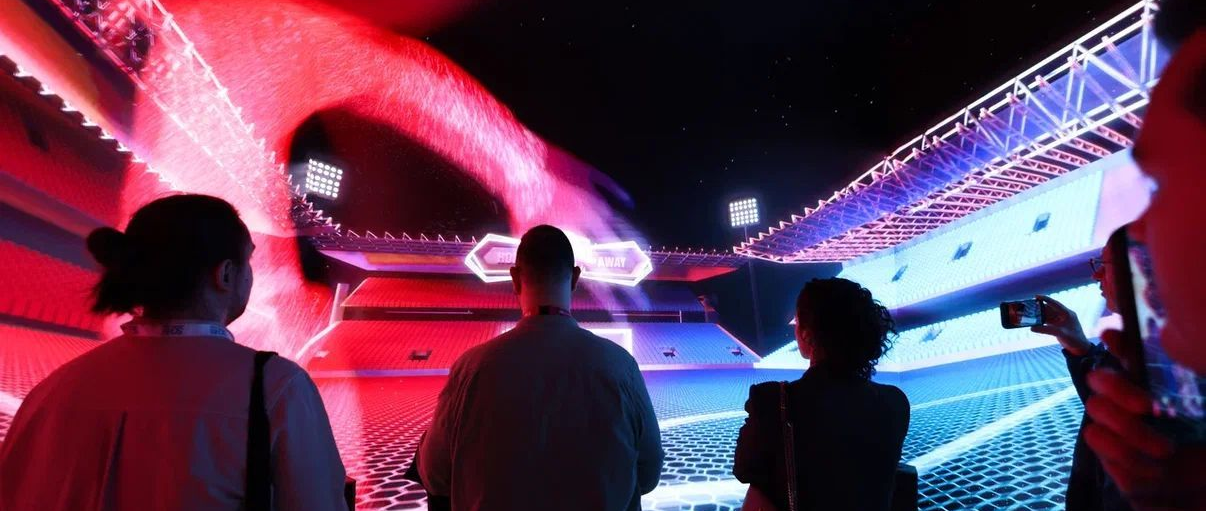
True immersive experience design is something else. It is the deliberate construction of an environment in which a visitor loses their awareness of being at a trade show. Where they are, for a moment, entirely inside the world of the brand.
That doesn't require enormous budgets or extraordinary technology. It requires coherence. Every element of the space - from the architecture, the lighting, the sound, the materials, the flow of the visitor journey to the moments of interaction, needs to work together to tell the same story. When those elements are in tension with each other, the experience breaks. When they are aligned, something shifts.
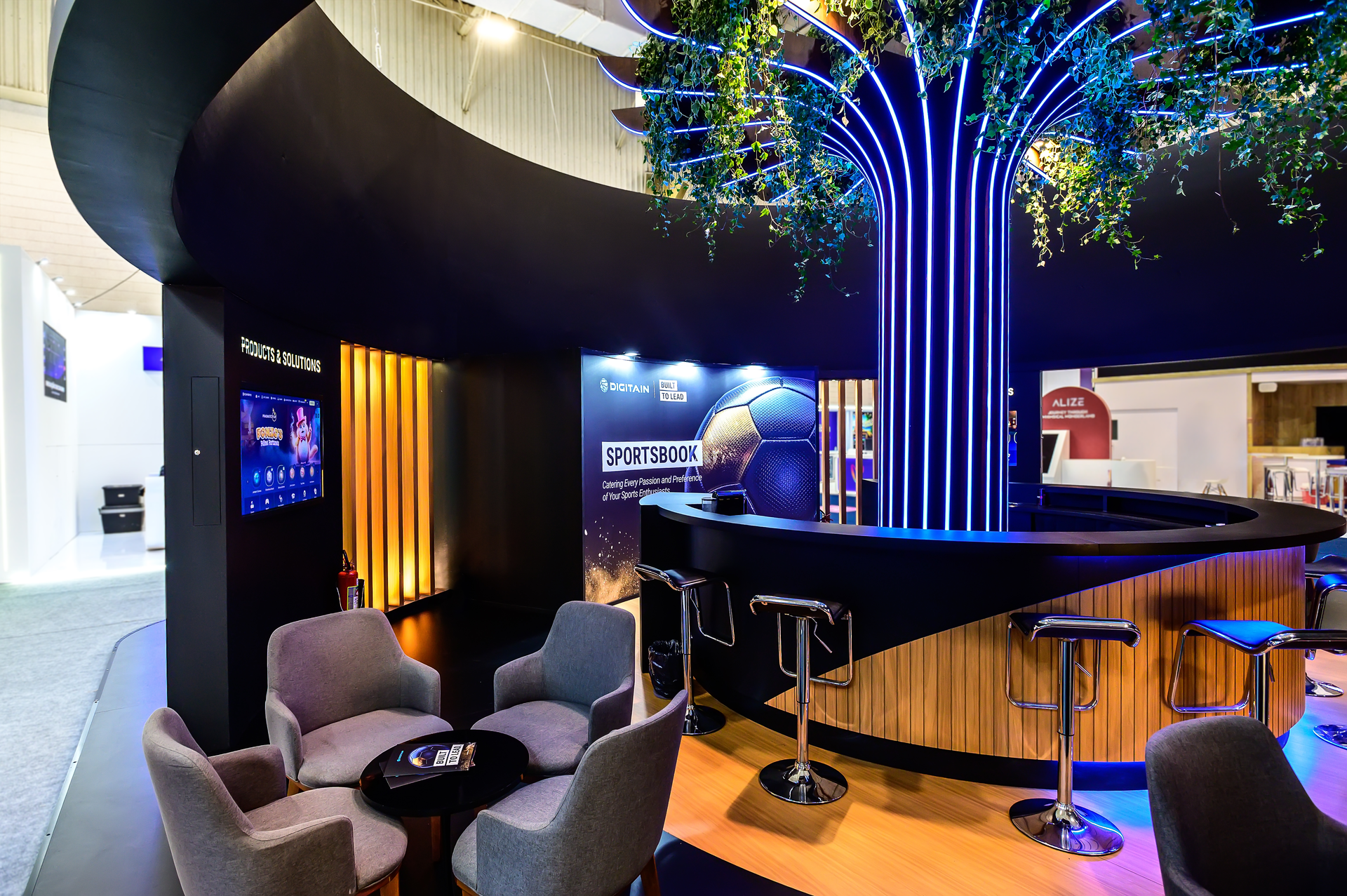
- Sensory engagement is part of it: how the space looks and feels, the quality of the light, what you hear, how the materials behave underfoot and overhead. But sensory design in isolation produces spectacle, not connection.
- Narrative arc is what gives an experience its emotional shape. A visitor entering an immersive space should move through something: this could be a beginning, a middle, an end, or a moment of curiosity that unfolds into resolution or revelation. The best exhibition stands are, in a meaningful sense, structured like journeys or stories.
- Emotional engagement is the ultimate goal. Research on memory and decision-making consistently shows that emotional response drives recall and action far more effectively than rational information transfer. People forget facts quickly. They remember how something made them feel. If your stand creates a genuine emotional response such as curiosity, delight, confidence or inspiration, that's what stays with your visitor long after the show closes.
The Difference Between Experience and Gimmick
Not everything that calls itself experiential is actually building brand equity. The exhibition industry has a long history of technology-led activations that attract crowds but leave no lasting impression - or worse, leave an impression that has nothing to do with the brand.
The test is simple: does the technology or the interactive element serve the brand story, or is it the story? A gesture-controlled game that generates footfall but has no connection to what the company does is a gimmick. An interactive installation that makes visitors feel what it's like to navigate a complex data environment - if you're a data company - is experience design.
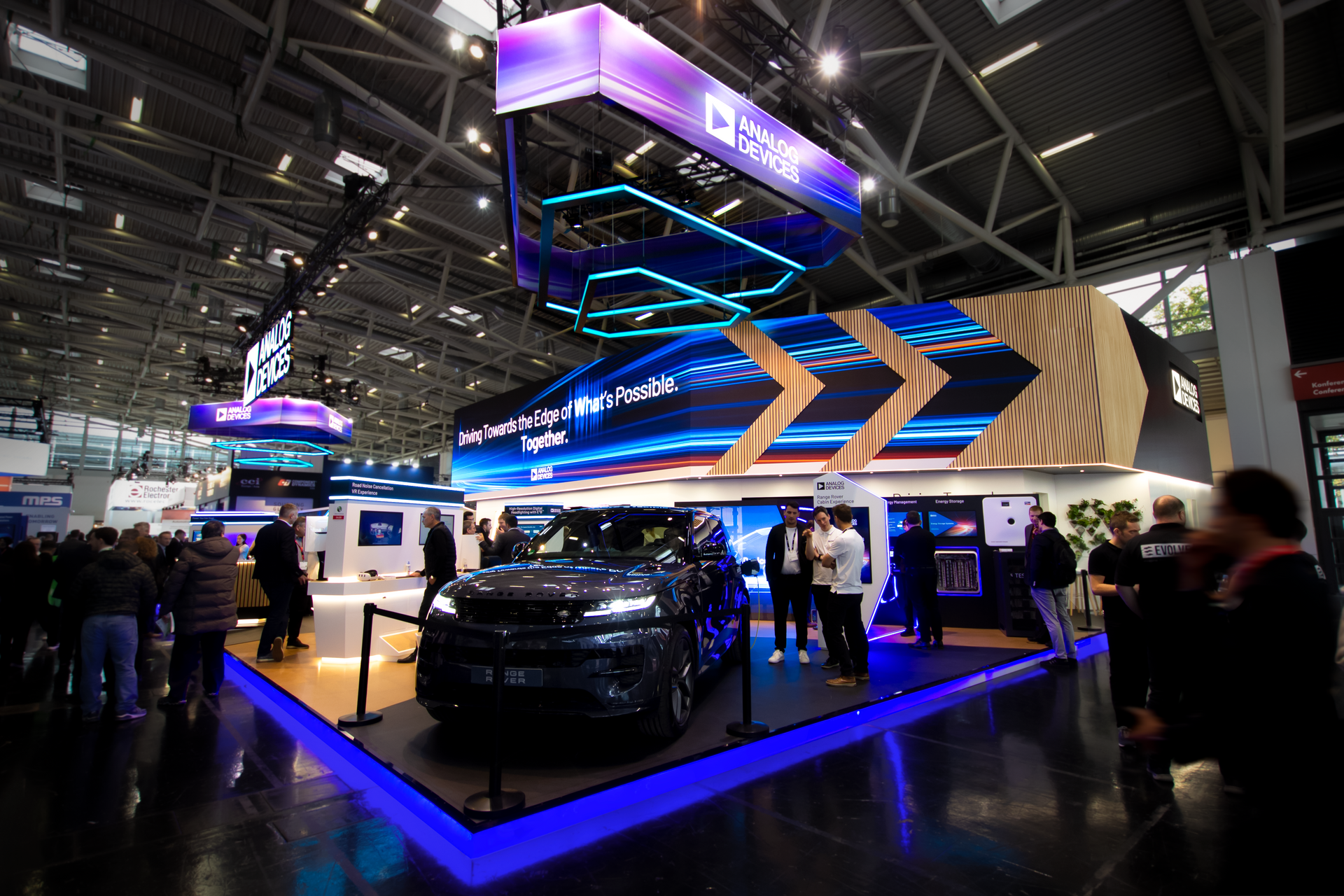
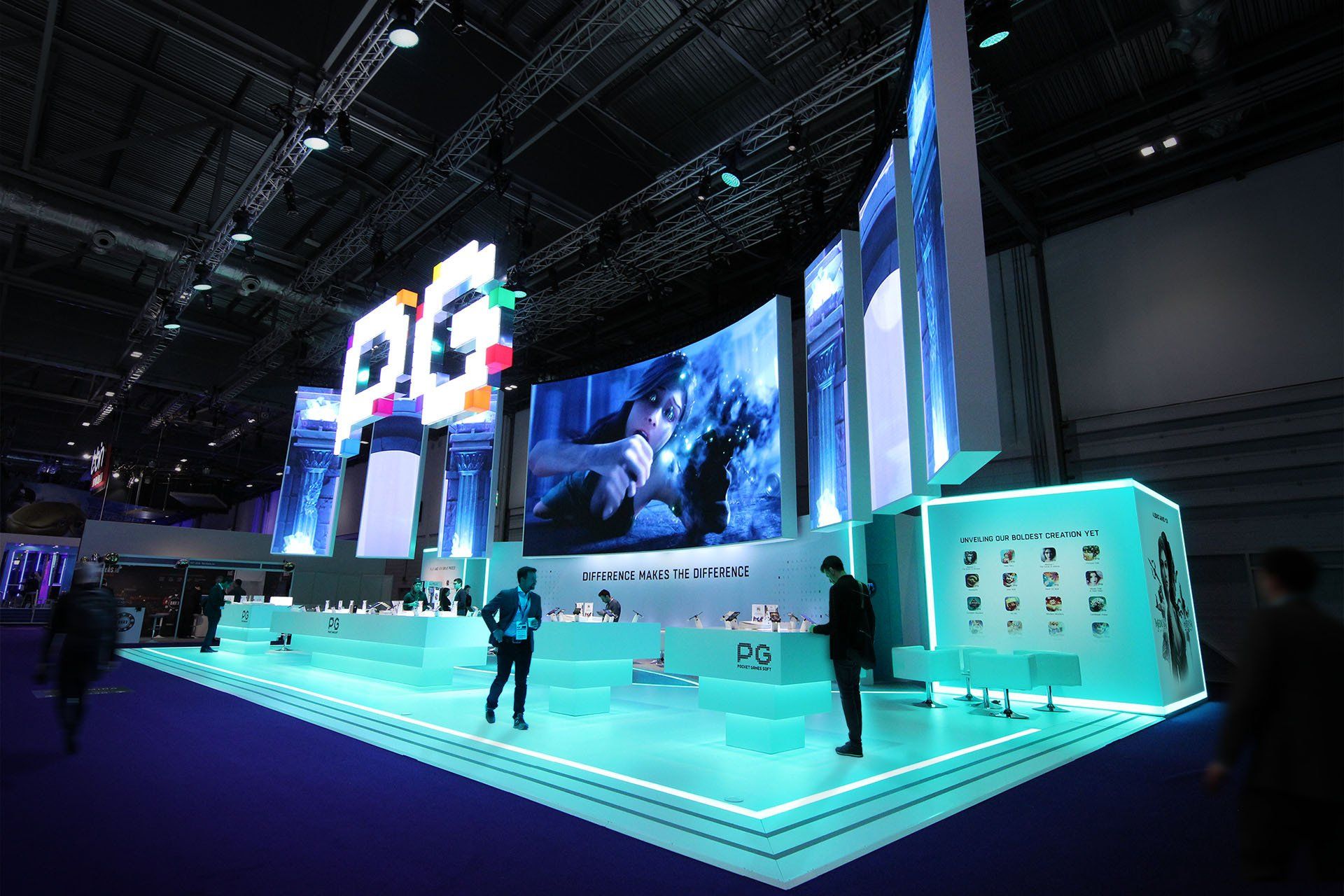
The distinction matters for budget too. Technology is expensive. Early in every creative process, Evolve considers technology options alongside the design concept, because the choice of technology materially affects what's possible at a given budget. A decision made too late can be costly and constraining. The right conversation about technology such a LED, transparent LED, responsive surface, immersive cubes and other gamification devices happens at the very beginning, not after the design is agreed.
This is one of the reasons immersive experience creation is genuinely collaborative. It isn't a process of an agency developing a concept in isolation and presenting it fully-formed. It's a dialogue between client and agency, with early-stage concepts shared openly so that feedback can shape the direction before significant resource is committed. Two or three rough concepts, honestly costed and clearly explained, allow a client to make an informed choice - to say what resonates, what doesn't, and why. The most promising options are then developed fully. This produces better work than a single, highly polished proposal that has no room to move.
How Immersive Design Turns Visitors into Advocates
The commercial logic of immersive experience investment is sometimes questioned: how do you measure the return on a beautifully designed space? The honest answer is that some of what immersive design delivers is measurable, and some of it operates at a different level - brand equity, reputation, personal recommendation and long-term relationship - that resists simple attribution.
What can be measured includes dwell time. Visitors who are genuinely engaged with a space stay longer, and the quality of conversations that happen during longer dwell times is significantly higher. A team that spends five minutes having a real conversation with a visitor generates more pipeline than a team that distributes one hundred brochures to people passing through.
Shareability is another measurable dimension. An experience that is genuinely striking generates organic content - visitors filming, photographing, posting. At large international B2C shows, where social reach extends far beyond the attendees in the hall, this matters. It may be less of a factor in B2B shows although a post-show skim through Linked In hashtags will show you a lot of selfies!
And then there is advocacy: the willingness of someone who visited your stand to tell their colleagues about it, to bring a colleague back the next day, to reference the experience when they're later in conversation about your product or service. This is the least measurable and arguably the most valuable outcome of all. You cannot buy it with a bigger logo. You create it through a better experience.
Immersive Design in B2B Contexts
There is a persistent assumption in B2B marketing that immersive experience design is for consumer brands - for the kind of exhibiting where the audience is a general public who need entertaining. The assumption is that technical audiences, procurement decision-makers, and senior executives don't want to be "experientialised" - they want facts, data, and demonstration.
This underestimates people’s humanity. Senior decision-makers are as susceptible to emotional and physical engagement as anyone else. The experience that makes them feel confident in a brand's capability, that gives them a spatial, embodied sense of the organisation's sophistication and investment affects their perception and their trust in ways that a product brochure simply cannot.
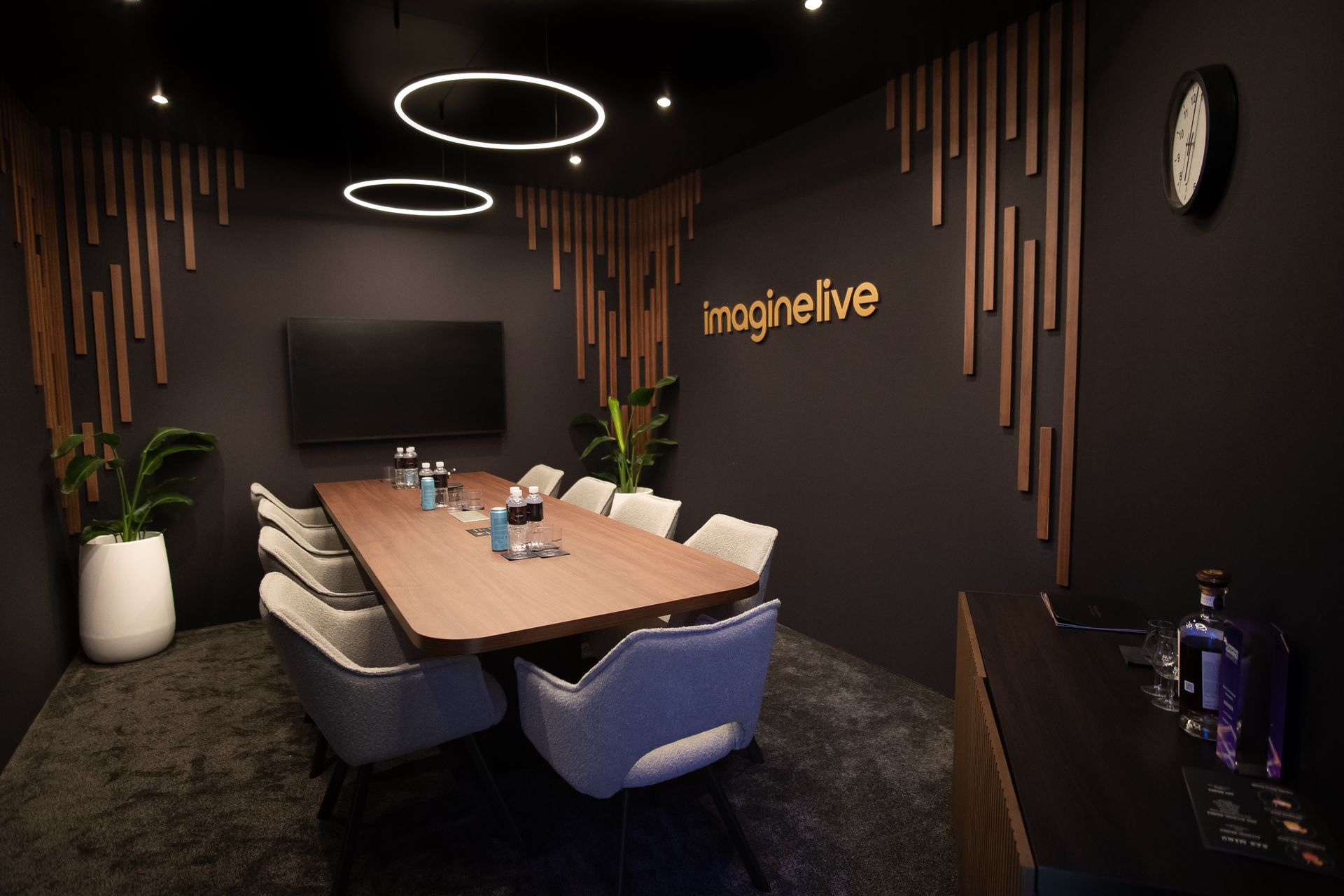
The execution may be more restrained in a B2B environment - less theatrical spectacle, more considered environment. The narrative is frequently about demonstrating depth of capability rather than generating wonder. Private meeting spaces become part of the design, because conversion happens in conversation. But the underlying principle, that the built environment shapes how people feel about a brand, applies just as much to a technology company at a major trade show as it does to a consumer brand at a festival.
What the Creation Process Actually Looks Like
Creating a genuinely immersive brand experience is not a linear production process. It is iterative, collaborative and, at its best, exploratory.
It begins with deep engagement with the brief: not just the functional requirements (stand size, number of meeting rooms, demo stations required) but the brand story, the audience, the emotional territory the client wants to occupy. What should a visitor feel when they walk in? What should they remember when they leave? Clinical precision or clubhouse comfort. Awed by the scale or an oasis of calm.
Early concept work is deliberately rough. The goal at this stage is to explore the range of what's possible - to generate two or three distinct directions, each with a clear logic and a clear relationship to the brief and share them with the client before committing to any of them. Technology is considered from the outset, because it shapes the design possibilities and materially affects budget. A concept that is only viable with a particular technical solution needs to be understood as such from day one.
Feedback shapes the next phase. The directions that resonate, and the reasons they do, inform the development of one or two fully worked-up proposals - properly costed, properly detailed, ready for a real decision.
From there, the process moves through detailed design, materials specification, technology integration, and finally into build, but by that point, the fundamentals have been decided collaboratively, with the client's full understanding and ownership of the choices made.
The result is a stand that the client understands and believes in, because they were part of making it. And that ownership, in our experience, is part of what makes a stand truly work - a team presenting from a space they're proud of, in a story they helped to shape.
Experience as a Long-Term Brand Asset
The stands that create the most lasting brand impact aren’t always the ones with the biggest budgets (although that helps!). They are the ones with clear thinking - where the design serves the brand, where the technology serves the design, where the visitor journey has been considered from first step to last.
That clarity is the product of a particular kind of creative partnership: one built on genuine collaboration and a shared commitment to the idea that the built environment is not just somewhere to stand. It's somewhere to make people feel something.
When you get that right, your visitors don't just leave with a brochure. They leave with a story. And the best stories get told.
Explore Evolve's exhibition and live event services →