Evolve’s expert show guide for exhibitors and event managers

Electronica returns to Messe München from 10 to 13 November 2026, and for anyone planning a stand for the show, the practical detail matters more than the headline numbers. This is the guide we'd want in front of a client's marketing director before that first briefing call: what's actually changed this year, how the hall layout should shape a stand brief, and where the deadlines sit relative to today.
The essentials
Electronica runs biennially, so the 2026 edition is the first since the 2024 show drew that 3,480-exhibitor, 80,000-visitor turnout, and Messe München is planning for similar scale this time round. The show's editorial focus for 2026 sits under three headings: artificial intelligence, cyber resilience and energy efficiency, all framed within Messe München's "All Electric Society" theme.
Dates: Tuesday 10 to Friday 13 November 2026
Venue: Trade Fair Center Messe München, Am Messesee 2, 81829 Munich
Opening hours: Tue–Thu 09:00–18:00, Fri 09:00–15:00
Scale (2024 edition): 3,480 exhibitors from 59 countries, around 80,000 visitors from 100 countries, across 18 halls
Co-located: SEMICON Europa, sharing halls B0, B1, C1 and C2
Set-up
- November 4–8, 2026, 07:00 to 23:00
- November 9, 2026, 07:00 to 18:00 (stand construction), 18:00 to 20:00 (decorative works)
Dismantling
From close of show on 13 November through 17 November at the following times:
- November 13, 2026: 15:00–24:00
- November 14, 2026: 00:00–23:00
- November 15, 2026: 07:00–23:00
- November 16, 2026: 07:00–23:00
- November 17, 2026: 07:00–18:00
No exhibitor ticket is required for set-up and dismantling.
Exhibitor calendar deadlines
The detail that matters most sits in the exhibitor calendar rather than the show programme. Stand-design plans are due on 22 September 2026, which is also the deadline for ordering technical services through the Exhibitor Shop. Anyone reading this in early September is inside a three-week window, which is a tighter runway than it looks once concept, technical drawings and sign-off are factored in.
Three specific triggers require formal documentation before that deadline: a stand or advertising structure over 3 metres in height, a stand over 100 square metres, or any covered stand area. Vehicles on the stand need a separate fire protection form. None of this is unusual for a European show, but it's exactly the kind of requirement that catches teams out when the brief sign off gets delayed. It's also the clearest argument for locking technology and structural decisions early, since those choices carry budget implications that are hard to unwind once a plan has been submitted.
Reading the hall plan like a stand designer
Electronica's 18 halls are organised by product category. EMS, PCBs and other circuit carriers sit in Halls A1, A2, A6 and the West Entrance. Electromechanics and system peripherals fill A3, B2 and B3. Test and measurement has its own hall in A4, power supplies in A5, and passive components span A6 and B6. Sensor technology, microsystems and automotive cluster in B4, while semiconductors and embedded computing take up the largest footprint across B5 and C2 to C6.
What that means practically is that adjacency does a lot of the work a stand's own footfall strategy can't. A power supplies exhibitor in A5 is walking distance from passive components in A6 and B6, which is a natural cross-traffic route worth designing toward rather than against. The startup platform, electronica Fast Forward, sits in Hall B4 alongside the Sensor Pavilion, so smaller and newer exhibitors nearby benefit from spillover attention that a stand brief can be built to capture. We walk the layout with a client's category in mind.
Sustainability as part of the brief, not the headline
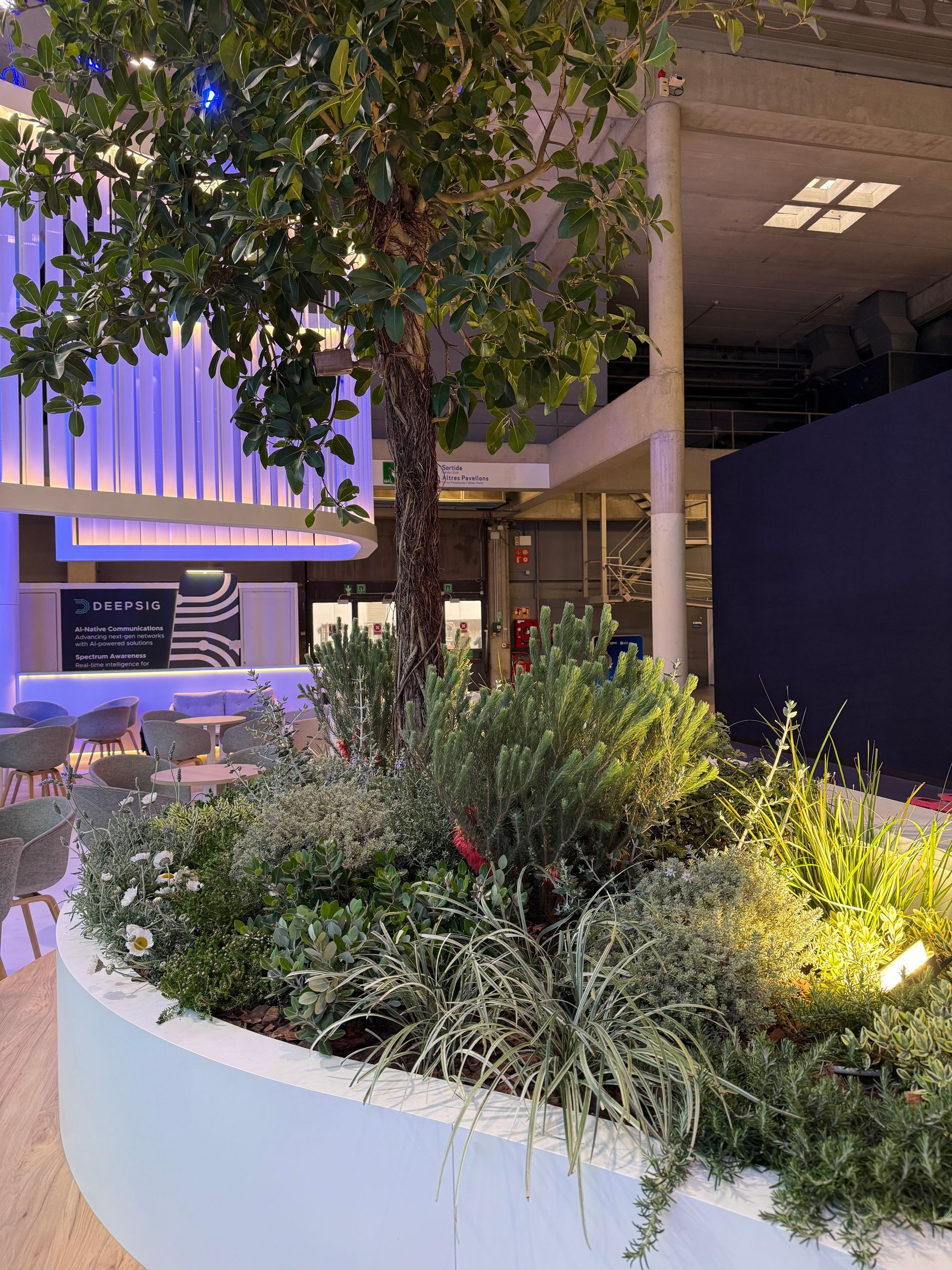
Sustainability threads through Electronica's own programming this year, alongside AI and the future of mobility, so it's already part of the conversation visitors expect to see reflected on the stand. That's where a build partner's own credentials and ESSA’s independent accreditation do useful work: they let the sustainability point sit as a quiet piece of evidence behind the stand rather than the thing the stand is trying to say. For an electronics audience walking 18 halls over four days, a stand that simply performs well, looks considered and doesn't need explaining tends to land better than one built around a sustainability message on its own.
Stand design at Electronica: what works
Tech show audiences are different. They're not browsing, they're evaluating. Engineers, procurement leads and product specialists who have come specifically to compare, interrogate and decide. A stand that works at a consumer show won't necessarily work at Electronica and understanding that difference is where good exhibition design starts.
So what does work?
- Clarity of proposition. Visitors should understand within seconds what you do and why it matters to them. Busy show floors are unforgiving and if your messaging requires effort, most people won't bother.
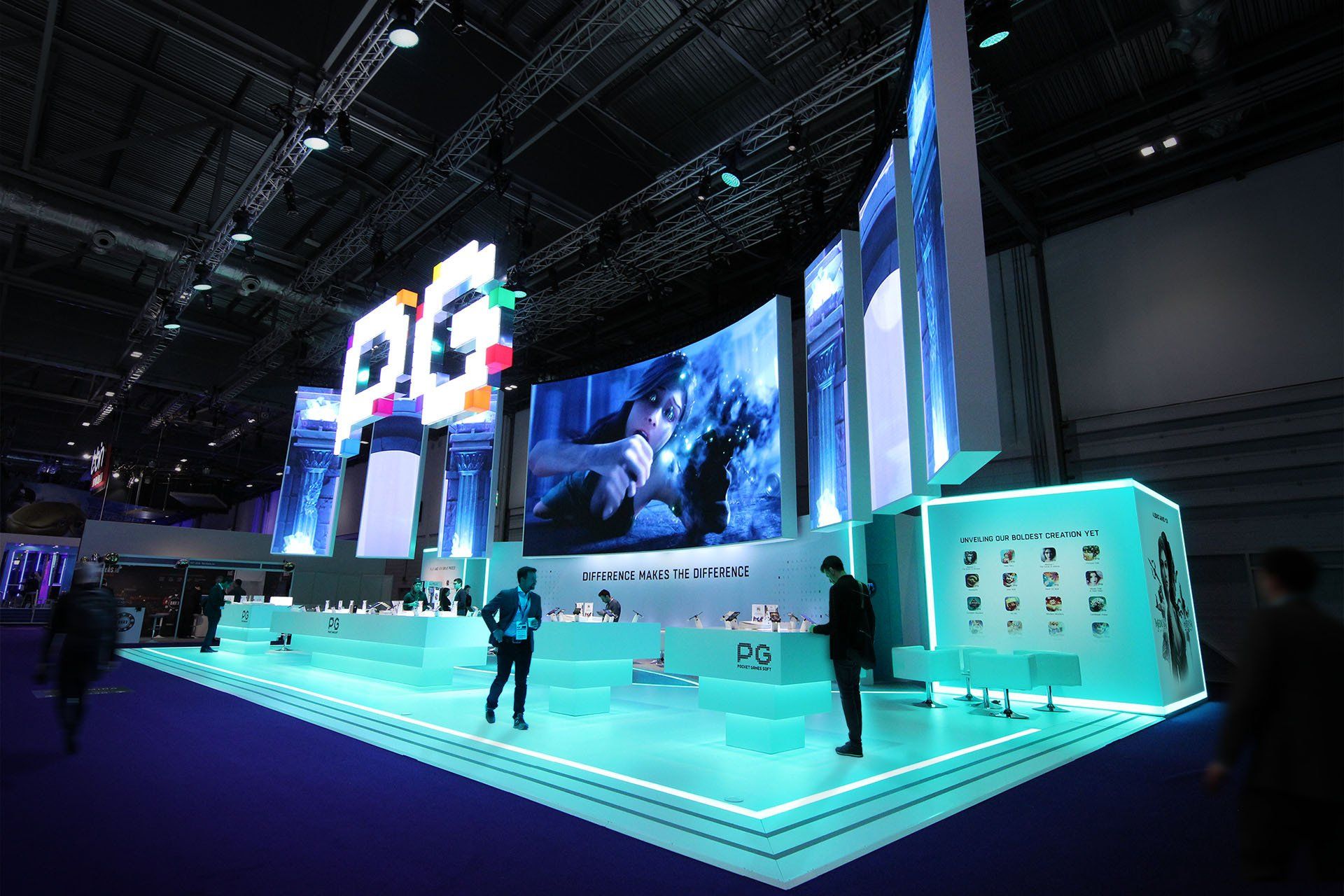
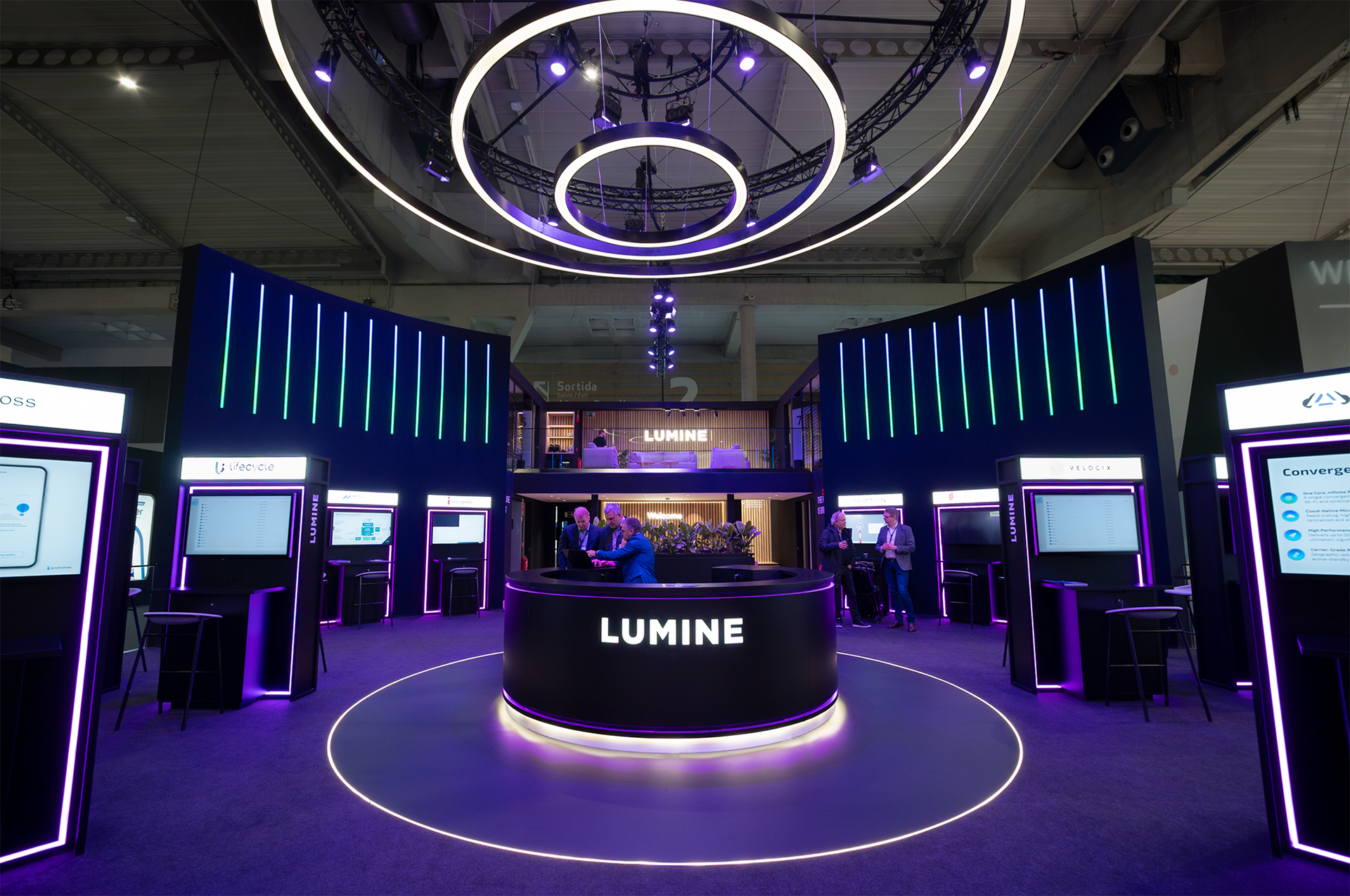
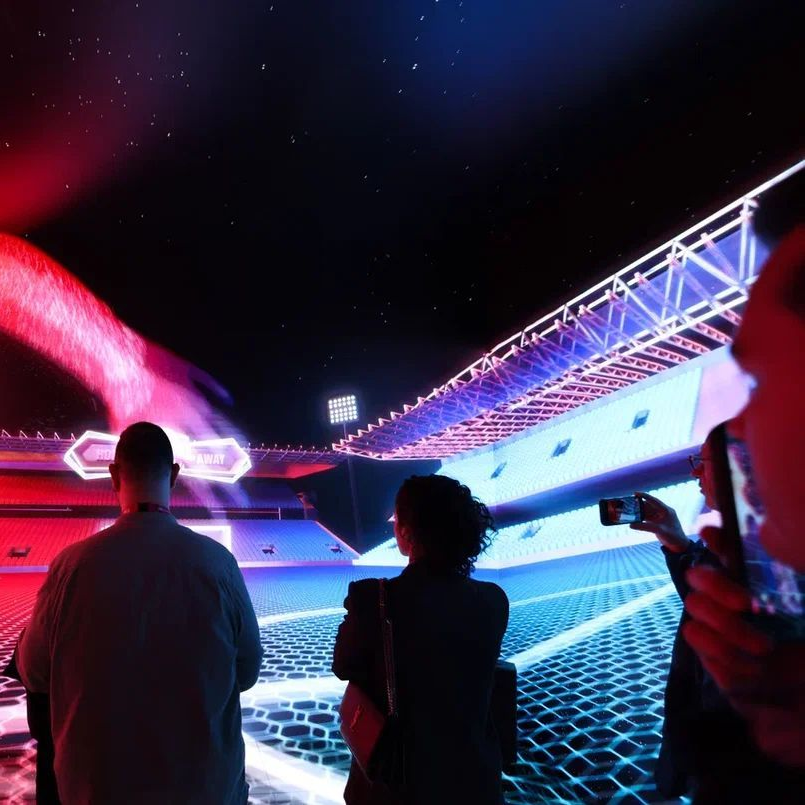
- Functional, interactive demonstrations. At a tech show, people want to see products working, not just described. Demo zones need to be designed around the experience of using something rather than simply displaying it - intuitive, engaging, and staffed by people who know the product inside out.
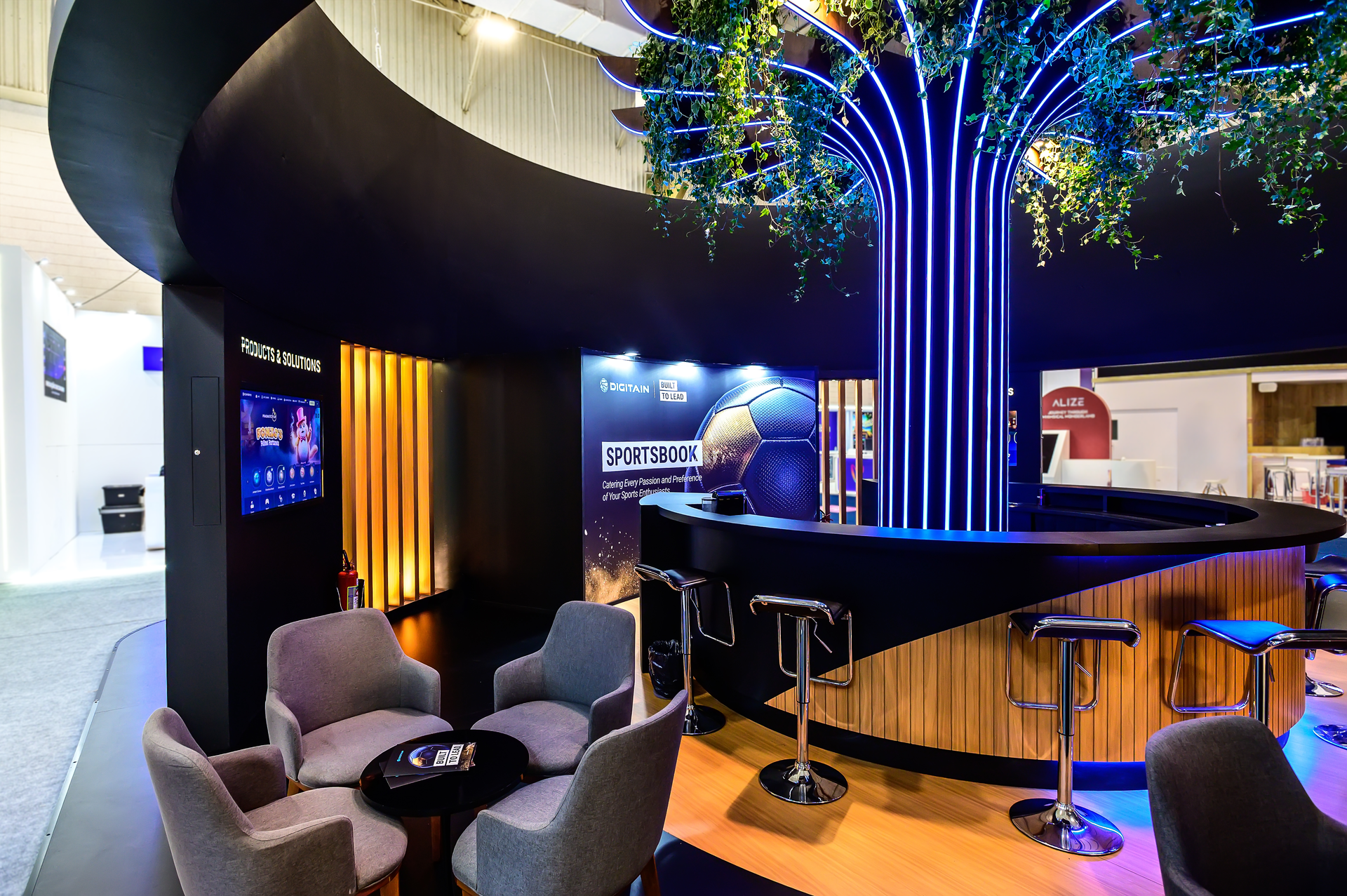
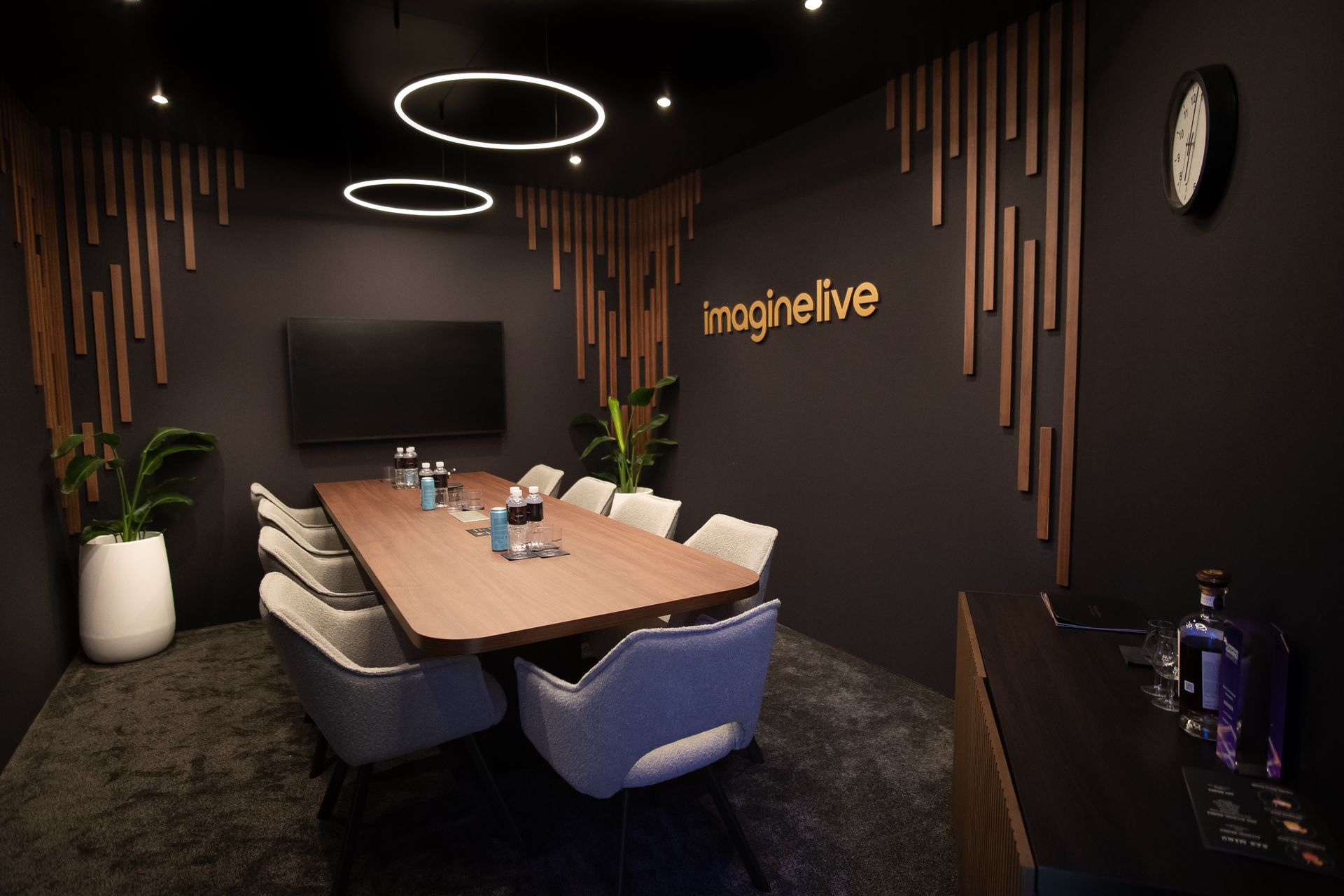
- Space to have a real conversation. The best tech stands balance open, accessible zones with quieter areas where meaningful dialogue can happen. The demo that impresses is only useful if there's somewhere to follow it up.
- Practical hospitality. A coffee and somewhere to sit might sound simple, but at a long show day it matters more than you'd think. Hospitality that feels considered rather than bolted on keeps people on your stand longer and leaves a much better impression.
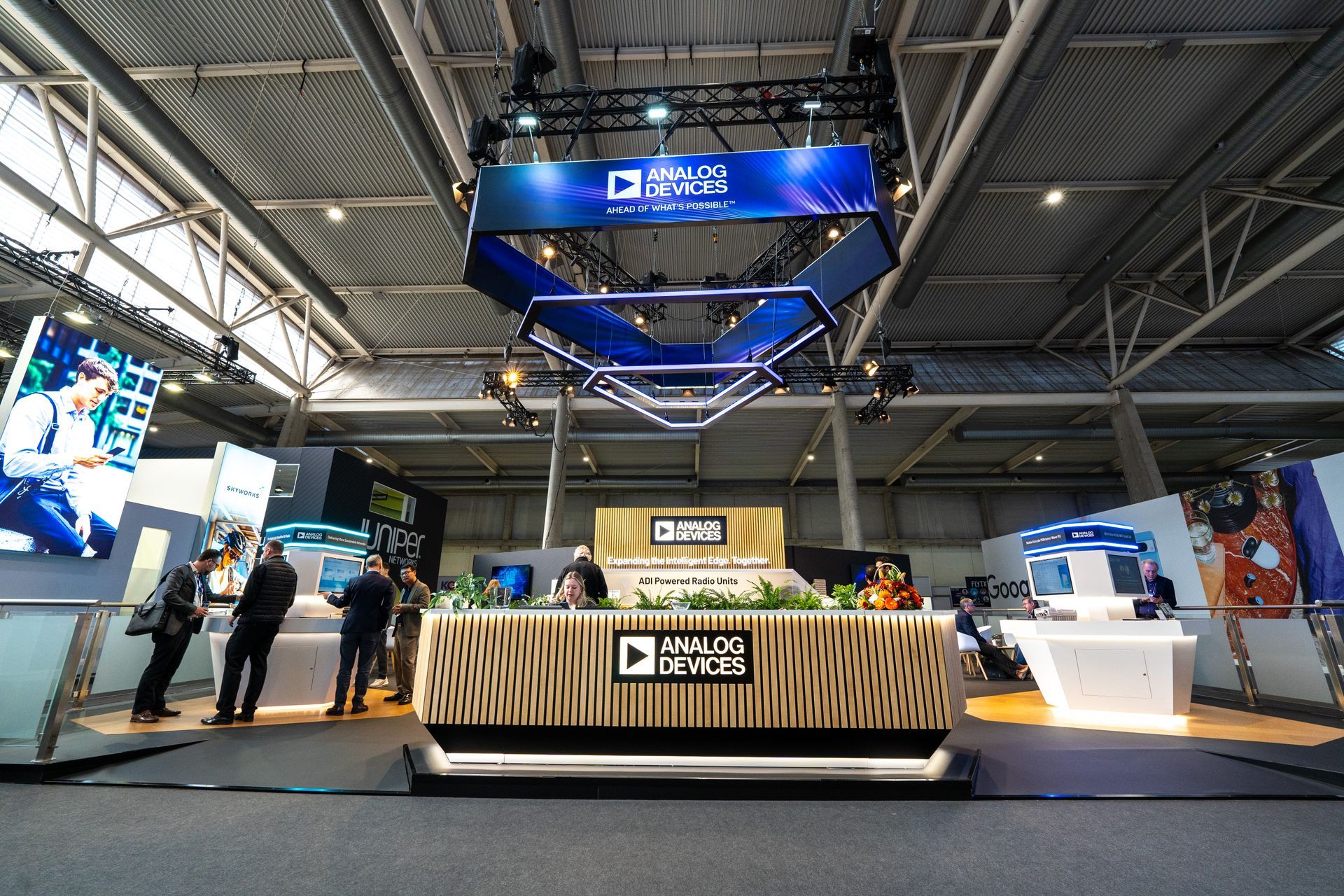
- Credibility in the details. At a tech show, the quality of your stand is part of your brand story. Poor finishes, bad lighting or a layout that feels like an afterthought sends a message you probably don't intend.
- Reusability built in from the start. The brands that show up consistently and confidently across multiple shows tend to think about their stand as a long-term asset rather than a one-off expense.
We've been delivering stands at Electronica, Embedded World and across the global tech exhibition calendar for years. If you're planning for your future show schedule then let’s start that conversation in Munich, November 2026. Contact our marketing team to schedule a meeting at the show.