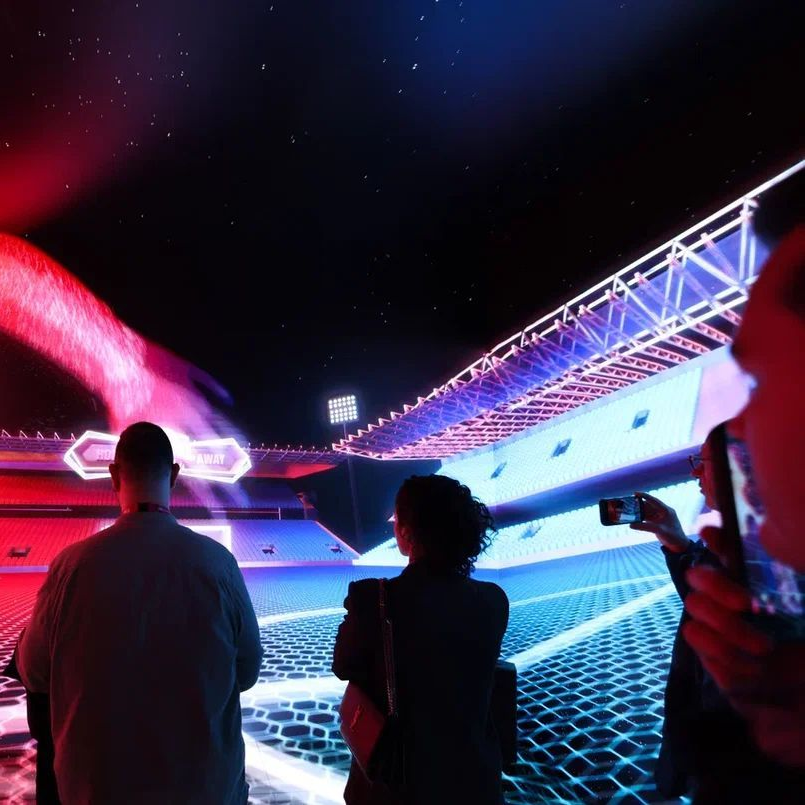
Creating an atmosphere and spotlighting features
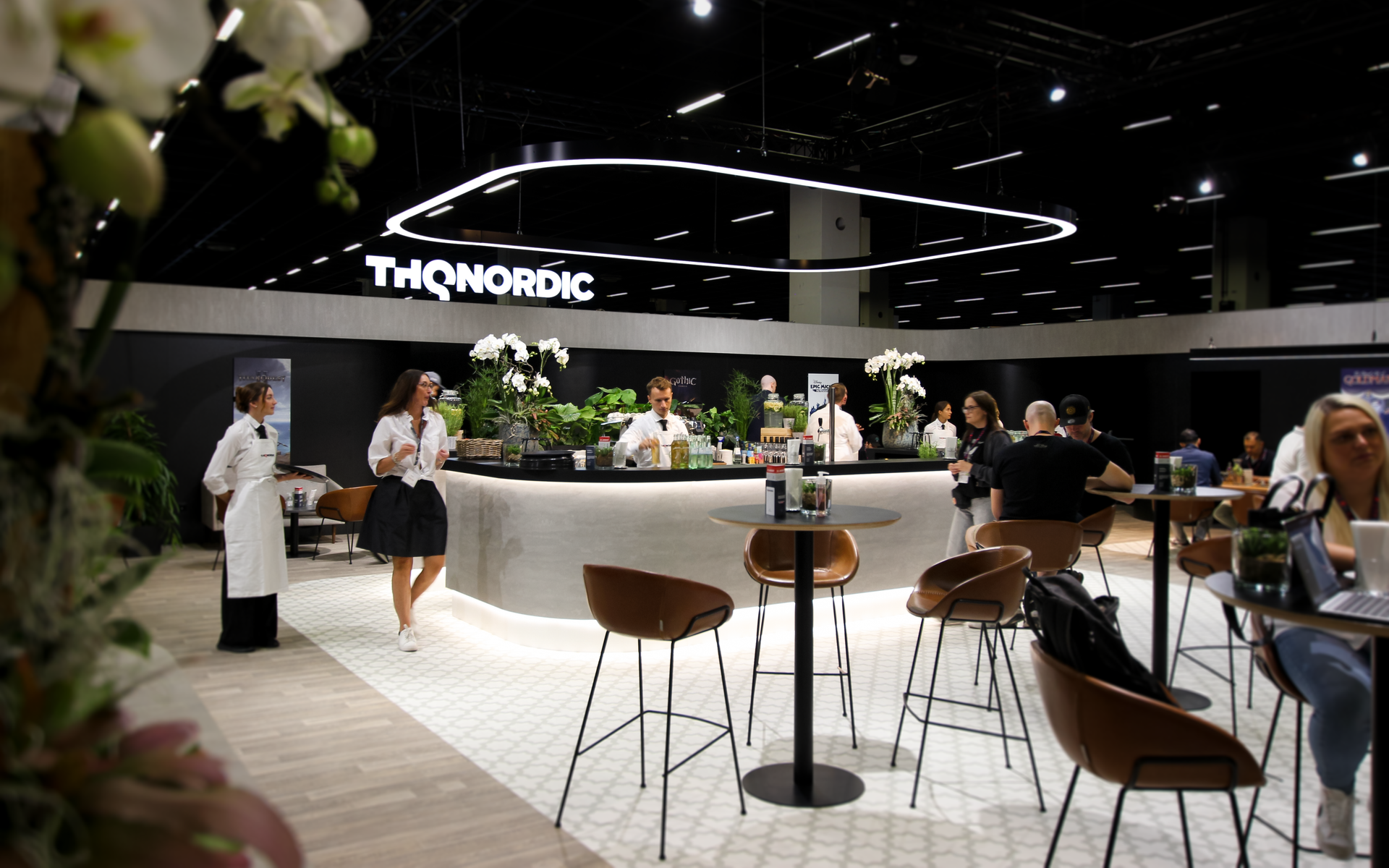
There is a straightforward test for whether an exhibition stand is using lighting well: stand at the edge of the hall and look down the aisle. The stands that hold your attention - that have a presence at distance, that draw you toward them even before you've registered what they're for - are almost always the ones where lighting has been thought about as a design element rather than a practical necessity.
Lighting in exhibition stand design is not a finishing touch. It is a foundational decision, as consequential as the choice of materials or the structure of the floor plan. Get it right and it amplifies everything else. Get it wrong and it can undermine a stand that is, in every other respect, well designed. A beautiful stand in poor light reads as flat and uninviting. The same stand, lit with intention, feels alive.
This is what makes exhibition stand lighting one of the most important and most underused levers available to exhibitors.
The Challenge of the Exhibition Hall Environment
To understand why lighting matters so much, it helps to understand the environment it has to work in.
Major exhibition halls are lit for function, not atmosphere. The standard venue lighting at Fira Gran Via, Messe München, or ExCeL London is bright, even, and deliberately neutral - designed to make the space operationally workable, not to flatter what's inside it. It casts no shadows. It creates no focal points. It gives every square metre of the hall the same visual weight.
In that context, a stand with no deliberate lighting strategy is competing on a level playing field with every other stand around it. It relies on graphics, structure, and sheer physical size to differentiate itself. All of those things matter, but they are doing the work that lighting could be doing more efficiently and with greater effect.
The stands that stand out under venue lighting, that appear to glow, to have depth, to contain something worth investigating, are the ones where lighting has been used to create contrast and focus in an environment that otherwise has neither.
Light as a Spatial Tool: Beyond Illumination
The most limited way to think about exhibition stand lighting is as illumination: the practical provision of enough light to see what's on the stand. Almost every exhibitor meets this bar. Very few go further.
The more interesting question is what light can do to a space - how it shapes the visitor experience before a single word is spoken.
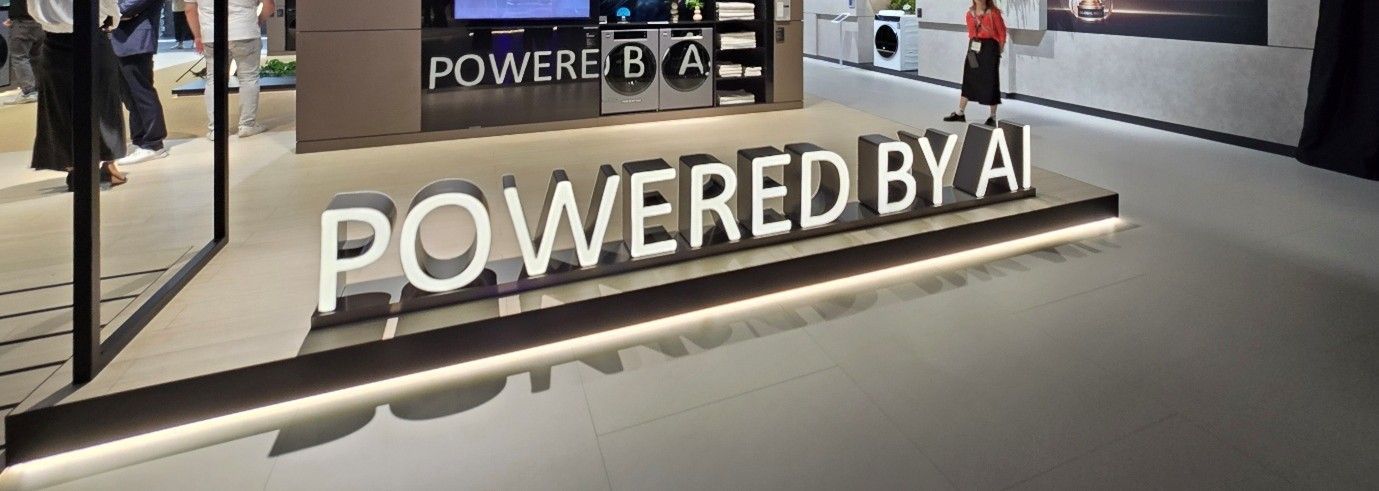
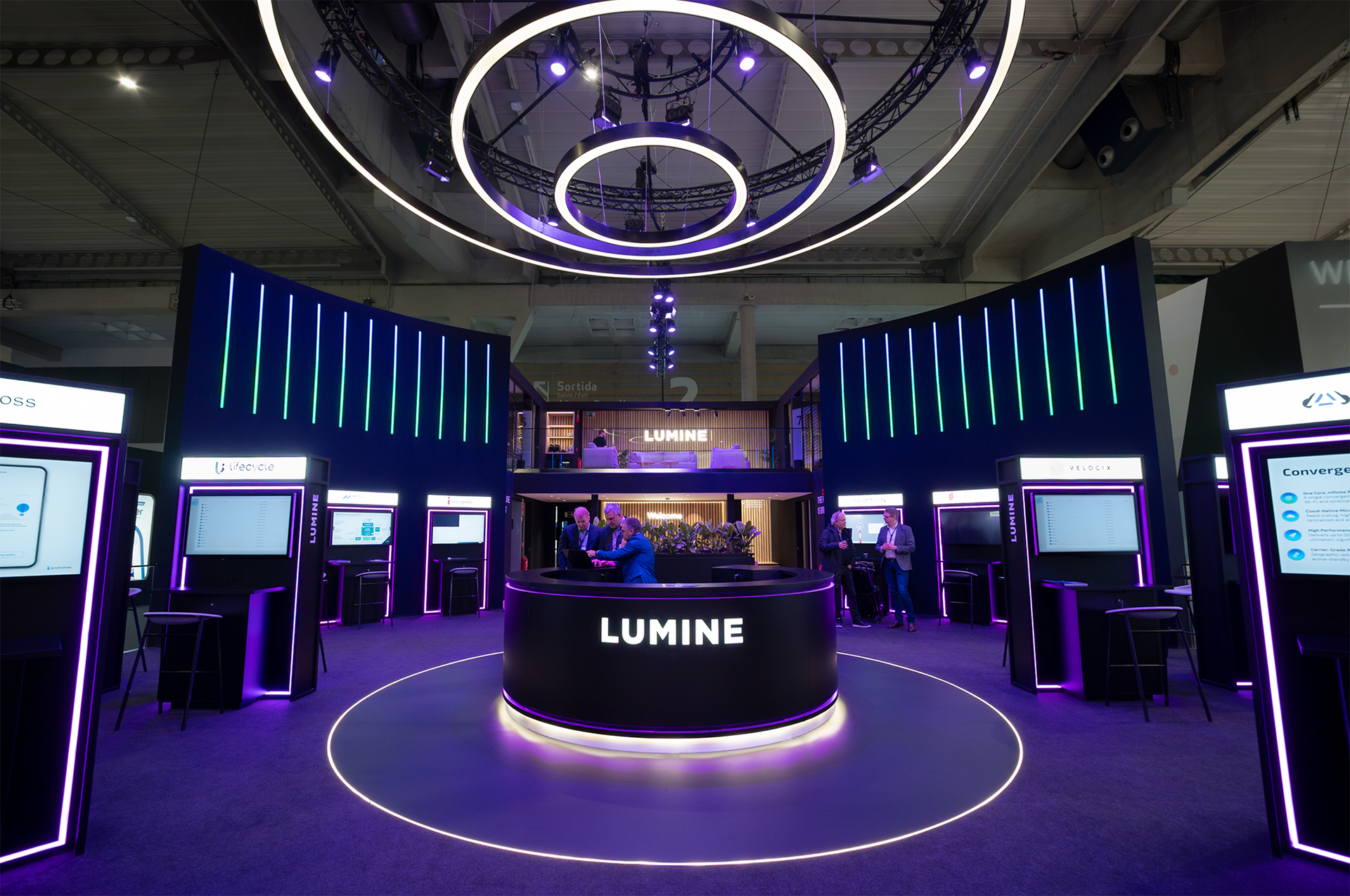
Focal points and hierarchy. In a stand with no deliberate lighting design, everything is equally visible and therefore equally unimportant. Strategic accent lighting - directed at a hero product, a brand moment, a key message - creates a visual hierarchy that guides a visitor's attention without instruction. They look where the light leads them. This is one of the most powerful tools in exhibition stand design and one of the simplest to apply: the right luminaire, positioned correctly, can make a single product the undisputed focal point of a 200sqm space.
Depth and dimensionality. Flat, even light makes three-dimensional spaces look two-dimensional. Shadow and contrast created by directional lighting, by the interplay between ambient and accent sources, give a stand spatial depth and make it feel more substantial and considered. The materials you have specified, the finishes you have chosen, the structure you have built: all of these reward good lighting in ways that become invisible under flat venue light.
Atmosphere and temperature. The colour temperature of a light source (measured in Kelvin) is one of the most immediately felt but least consciously registered elements of an environment. Warm light (below 3000K) reads as intimate, comfortable, and welcoming. Cool light (above 4000K) reads as clinical, modern, and high-energy. Neither is inherently better; both are tools. A hospitality area and a technology demonstration space have different atmospheric requirements, and exhibition stand lighting design should reflect that. Using the same light source across an entire stand flattens the experiential variation that makes a visit feel like a journey rather than a browse.
LED in Exhibition Stand Design: Capability and Responsibility
The shift to LED technology has transformed what is possible in exhibition stand lighting design. The range of colour temperatures, outputs, and formats available, combined with the significant reduction in heat generation and power consumption compared to earlier lighting technologies, gives designers a toolkit that simply didn't exist a decade ago.
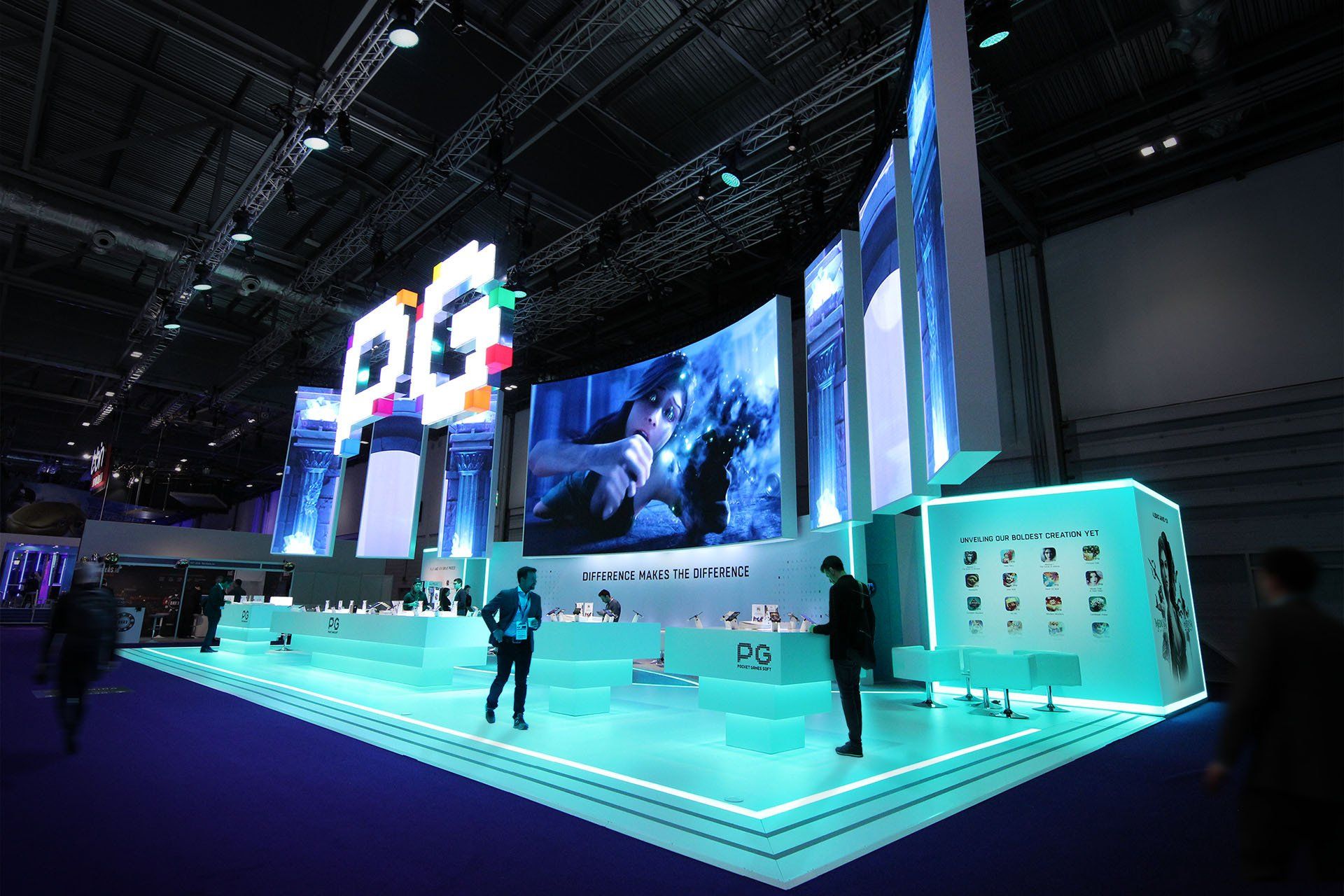
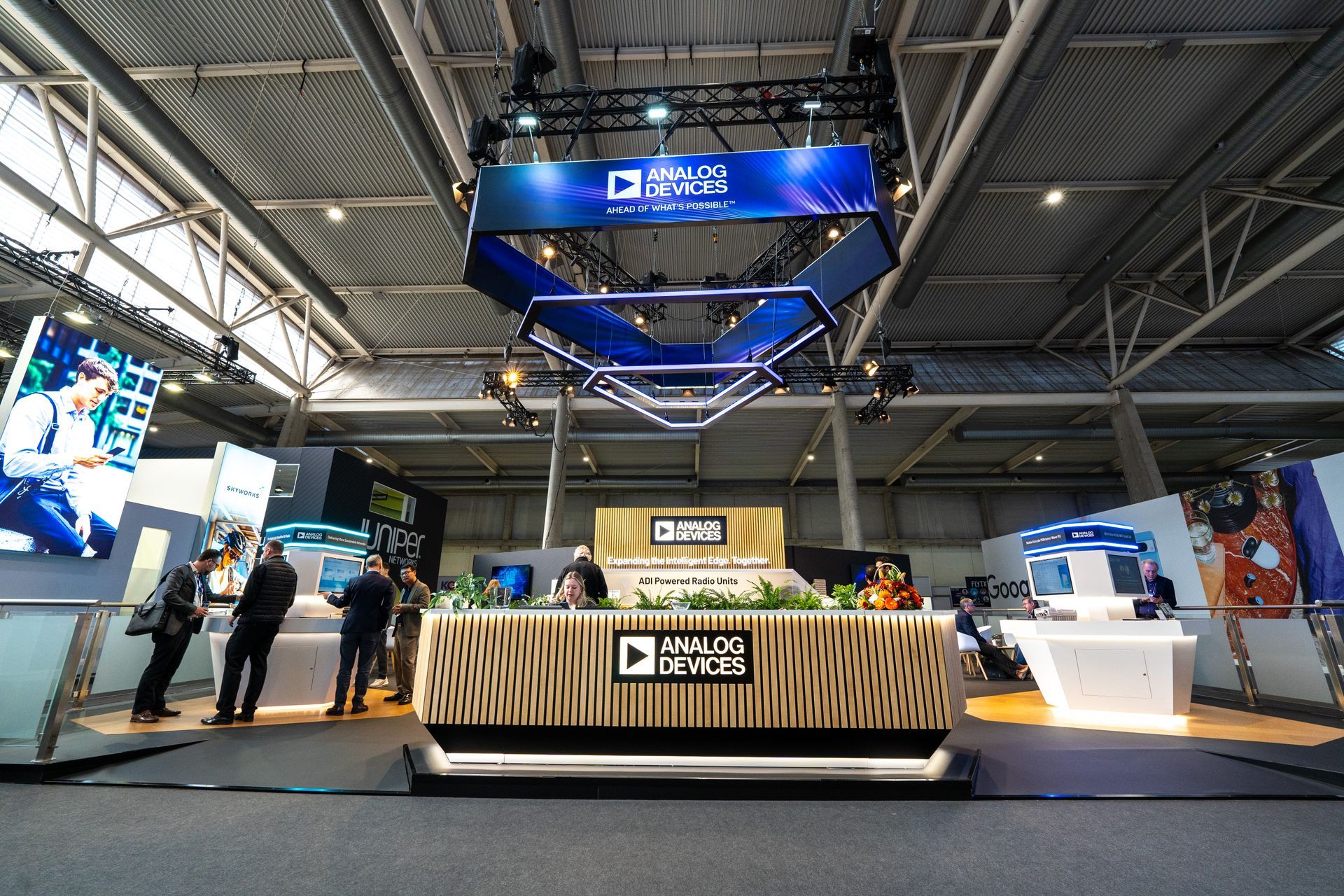
LED display panels have become one of the defining visual elements of the major international shows. Used well, they can create impact at distance, carry dynamic content that changes across the day, and function as architecture as well as communication; curved, wrapped around corners, suspended overhead. The circular LED installation we designed for the Evolution stand at ICE which saw content flowing continuously around a corner position, is a good example of LED being used as a spatial device rather than simply a screen.
Backlighting and illuminated graphics reward material quality. A backlit panel reveals the translucency of a material in a way that reflected light cannot. Edge-lit acrylic with laser-engraved detail creates an effect that is distinctive and precision-associated, well suited to technology and engineering brands that want their materials to communicate the same qualities as their products.
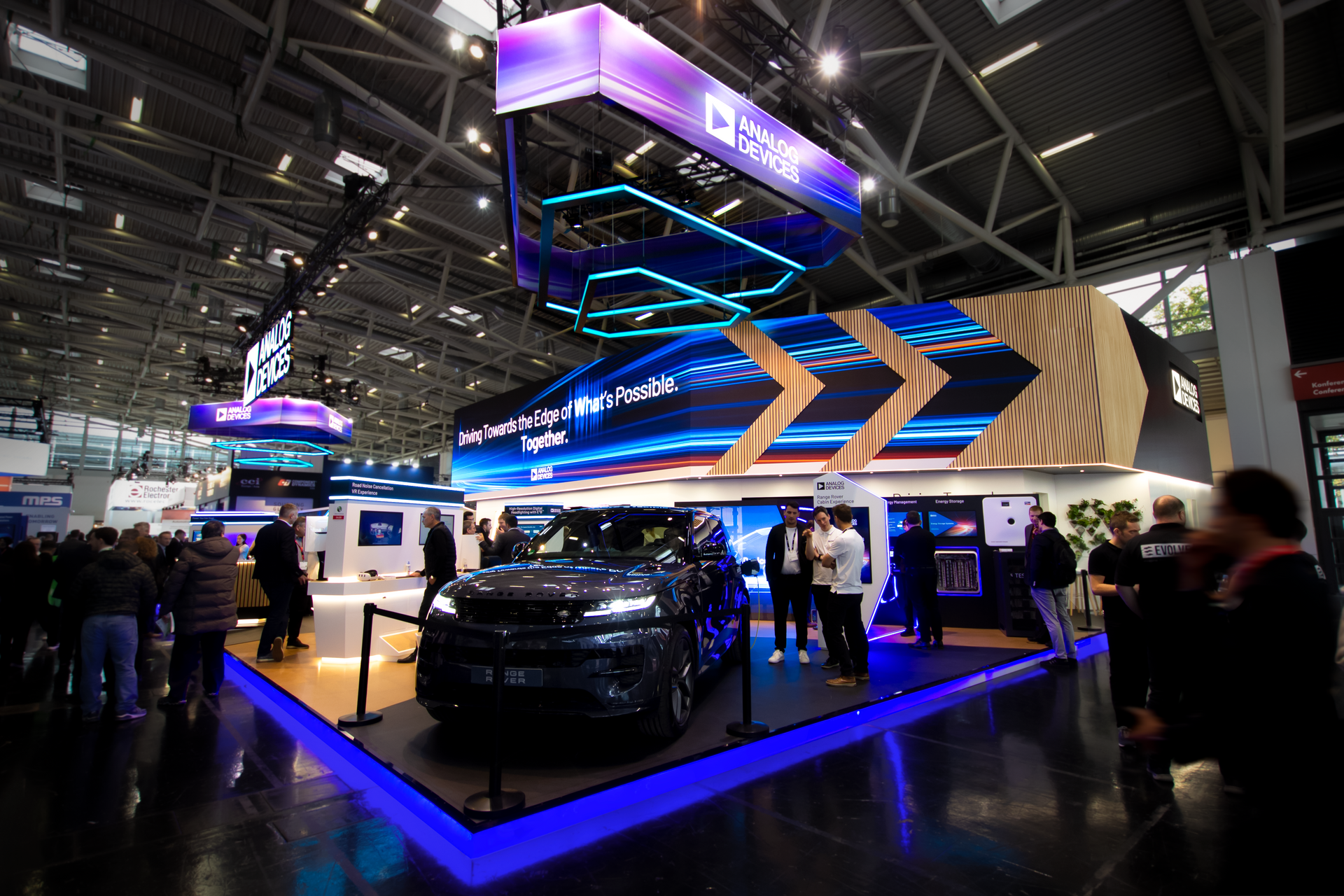
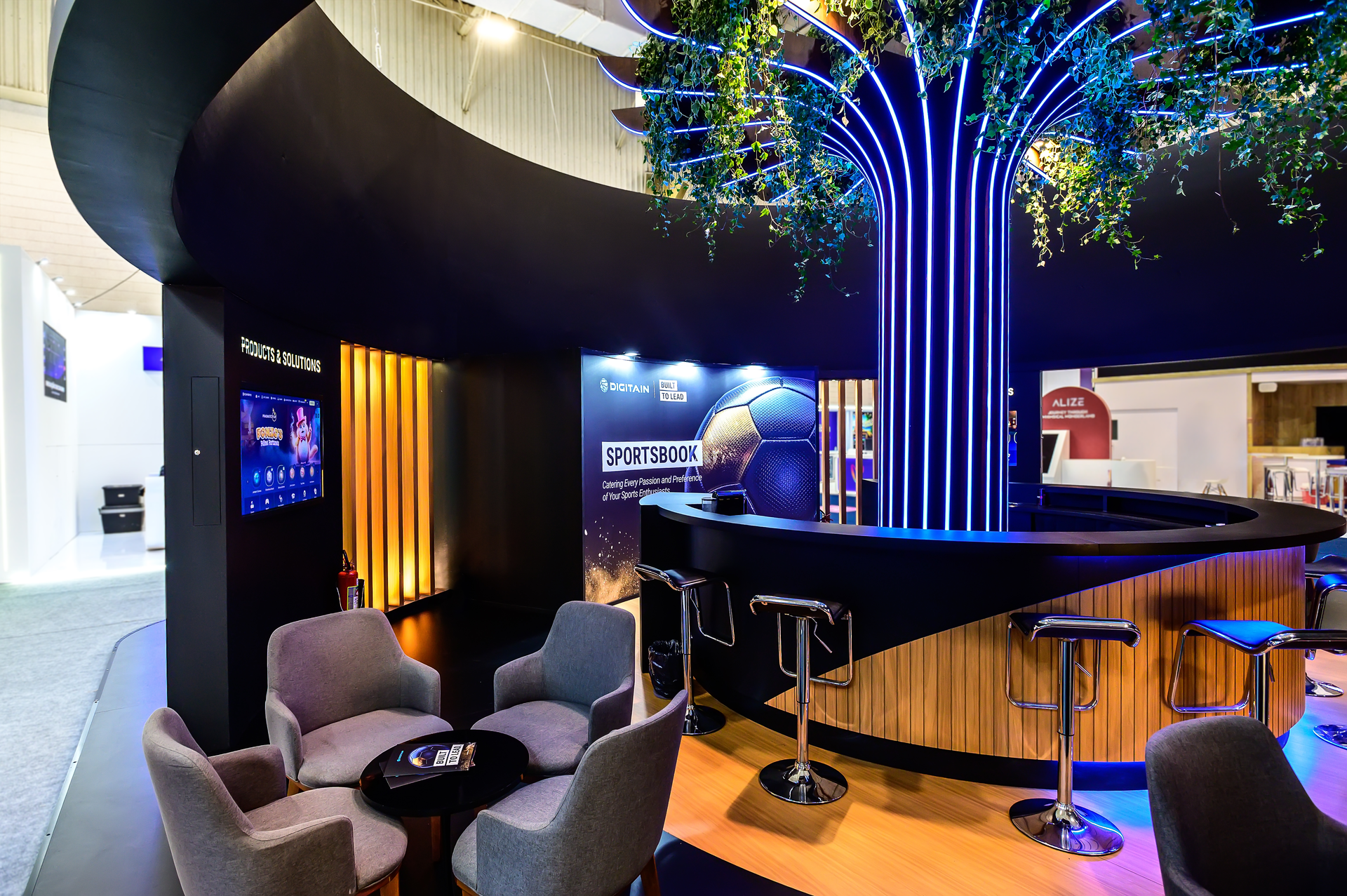
Integrated architectural lighting such as LED strip concealed within joinery, behind fascias, beneath floor plates, is one of the more subtle and effective tools in the exhibition stand lighting repertoire. It makes a stand appear to generate its own light from within, creating a sense of warmth and presence that is felt rather than explained. At Evolve, this kind of lighting integration is considered at the design stage, not added in at the end because it needs to be resolved in the structure to work properly.
Sustainability is increasingly a factor in lighting specification. LED's energy efficiency is well established, but the decisions around how much lighting a stand uses, how it is powered, and how equipment is transported and reused across multiple shows are all part of a responsible approach to exhibition stand design. Lighting rigs that can be reconfigured and reused across multiple shows, rather than rebuilt from scratch each time, are both more sustainable and more cost-effective for clients with multi-show programmes.
Lighting the Private Space: A Different Challenge
Public-facing exhibition stand lighting tends to receive the most attention, and understandably so; it's what creates the first impression across the aisle. But some of the most important lighting decisions relate to the private spaces within a stand: the meeting rooms, the hospitality areas, the enclosed zones where the real commercial conversations happen.
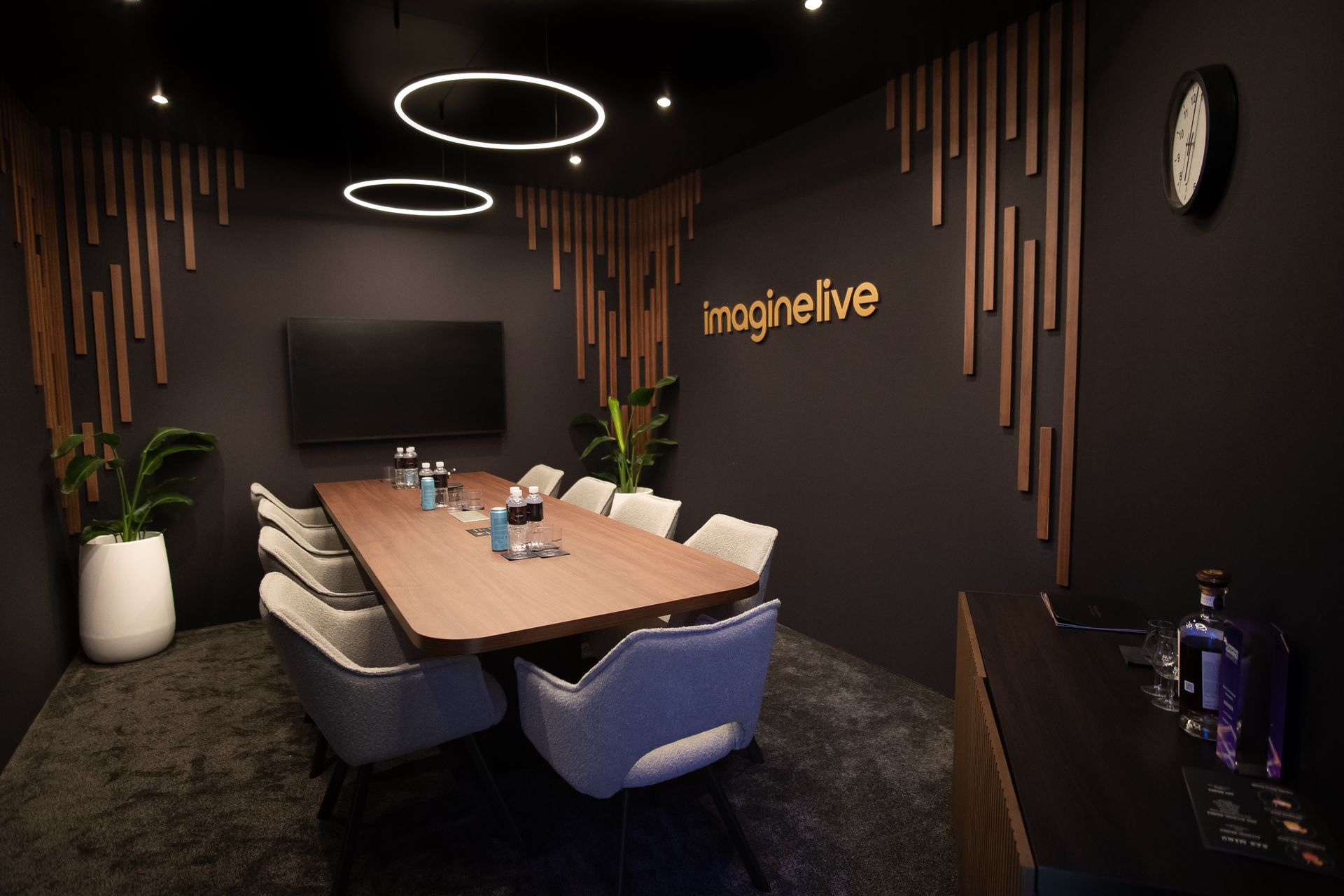
The lighting logic here is almost the inverse of the public zone. Where the public face of a stand benefits from contrast, drama, and focal points that pull visitors in from a distance, the meeting space requires something quieter - an environment in which people can think, talk, and feel at ease. The transition from the energy of the show floor into a well-lit, calm meeting room is itself a form of hospitality: it signals that the visitor has moved somewhere different, somewhere considered, somewhere that was designed with them in mind.
Warm, controllable lighting, adjustable to the time of day and the nature of the meeting, is more valuable in a meeting room than the most technically impressive fixture. The Novomatic presidential boardroom we designed for ICE at ExCeL London used lighting that was deliberately understated in character but precisely controlled in effect: the room needed to feel like a genuine executive environment, not an exhibition stand with the door closed. Lighting was central to achieving that.
Practical Considerations Before You Brief
A few things worth establishing at the briefing stage that significantly affect what's possible in exhibition stand lighting design:
Venue power supply. The amount of power available at your plot, and its cost, affects lighting choices materially. Major venues charge for power consumption, and a stand with extensive LED display panels and high-output accent lighting has different power requirements to one using a more restrained approach. Understanding the parameters early avoids costly surprises.
Rigging permissions. Suspended lighting rigs above a stand require venue approval, and the rules vary significantly between venues. What is straightforward at one show may require detailed structural engineering at another. This needs to be confirmed before it is designed in.
Daylight and orientation. Some halls have natural light (roof glazing, perimeter windows) that affects the apparent brightness and colour temperature of everything on the show floor. A stand at Embedded World, positioned near the huge glass wall is a different lighting challenge to one in the centre of a windowless hall. Stand orientation and position on the floor plan, when known early, should inform the lighting design.
Reuse across shows. If the stand is part of a multi-show programme, the same design appearing at two or three events across the year, lighting equipment that can be disassembled, transported efficiently, and reassembled reliably is worth specifying deliberately. Custom lighting that is fragile, heavy, or difficult to reconfigure creates logistical problems that compound across a programme. It is almost always more efficient to hire locally than to purchase outright and transport components across continents.
Lighting as a Brand Statement
The most memorable exhibition stands at the shows Evolve works across, such as MWC, ICE, ISE and Embedded World, are often the ones that feel most coherent: where the lighting reinforces the materials, which reinforce the structure, which reinforces the brand. Where every element is in service of the same story.
Lighting is the invisible framework within which all of that takes place. When it is right, it disappears into the experience - visitors simply feel that the stand is more compelling, more comfortable, more worth spending time in than the one next door. When it is wrong, or when it hasn't been thought about at all, it announces itself in the flatness of what might otherwise have been a very good stand.
It deserves to be part of the conversation from the first briefing, not a specification to be confirmed at the end.
See how we approach lighting in our exhibition stand work →